Discover NYC's hyper-local dining renaissance—from Bushwick taco crawls to Flushing soup dumplings and Harlem soul food. Taste the city's true flavors.
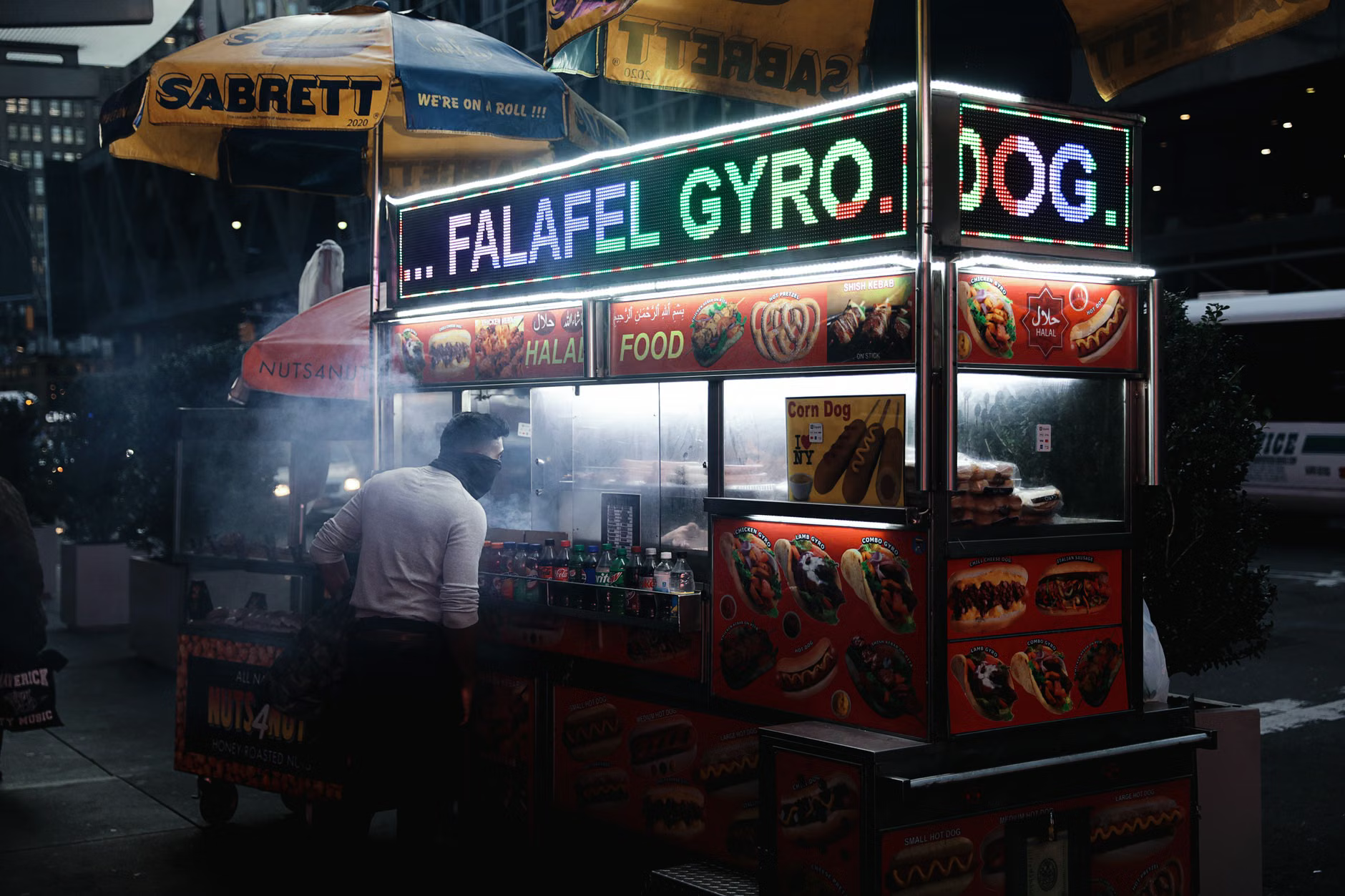
Forget the overpriced, microwaved tourist traps of Times Square. The real New York City dining experience isn't found under a giant digital billboard—it’s hidden inside a Flushing food court where a grandmother hand-pulls noodles for 12 hours straight, or on a Bushwick side street where a taco vendor’s family recipe draws a line around the block. A quiet but powerful food revolution is transforming the city’s culinary landscape: the hyper-local dining renaissance. Driven by immigrant families, young chefs, and a growing hunger for authentic, place-specific flavors, neighborhood eateries are now the city's most exciting destinations. According to Google Trends, searches for “hidden gem NYC restaurants” have spiked over 40% since 2022, as both locals and savvy travelers abandon guidebook clichés for experiences that taste like a borough’s true identity. This isn’t just a trend—it’s a fundamental shift in how New York eats, and it’s happening right now in Bushwick, Flushing, Harlem, and beyond.
What Defines the Hyper-Local Movement?
Hyper-local dining isn’t just about where the restaurant is—it’s about where every single ingredient comes from. These establishments operate on a philosophy of radical proximity: sourcing produce, proteins, and pantry staples from within a 10-mile radius whenever possible. At Crown Heights' Lula Legume, chef Maura Manley uses rooftop honey from a community garden three blocks away and grains milled just over the Brooklyn border in the Hudson Valley. Down the street, Bushwick’s Oxomoco changes its menu weekly based on what upstate mushroom foragers and Long Island duck farmers have just harvested. The result is a meal that tastes unmistakably of a specific patch of earth—a sense of place you simply can’t get from a national chain.
Key pillars of the hyper-local movement include:
- Seasonal, weekly-changing menus that reflect the absolute freshest ingredients available, often delivered that morning.
- Direct farm and producer partnerships, where chefs visit farms personally (like Alex Raij, who treks upstate every Monday for Txikito’s just-harvested vegetables).
- Zero-waste techniques like fermentation and preservation. At Crown Heights’ Rose’s, summer tomatoes that don’t sell get transformed into winter passata sauces, and leftover vegetable trim becomes pickles.
- Community collaboration with local bakeries, breweries, and roasteries to build a self-sustaining ecosystem. Brooklyn’s Bed-Vyne Brew supplies spent grain to a nearby pizzeria for its crust.
3 Neighborhoods Leading the Charge
Each of these three neighborhoods has cultivated a distinct hyper-local identity, drawing foodies from across the five boroughs—and beyond.
Bushwick: The Taco Crawl Capital
Knickerbocker Avenue has become an unofficial taco highway, with over 15 taquerias competing for customers on a single stretch. The undisputed king is Los Tacos No. 1, a tiny storefront that sells more than $5,000 in tacos daily—their al pastor, sliced from a vertical spit, earns a 30-minute wait even on weeknights. But Bushwick’s hyper-local scene extends beyond Mexican. Peppa’s on Starr Street serves jerk chicken that’s smoked in a barrel drum behind the restaurant, using allspice from a Greenmarket vendor. The lesson: knock on any unmarked door, and you might find a world-class meal.
Flushing’s Main Street: Asia’s Culinary Hub
Flushing is a universe unto itself, home to over 200 Asian eateries. The beating heart is the Golden Shopping Mall food court, where a single stall—Xi’an Famous Foods—sells over 1,000 bowls of hand-pulled lamb noodles per day. But the real hyper-local gem is Nan Xiang Xiao Long Bao, where the soup dumplings are handmade by a team that arrives at 4 a.m. to prepare dough from a local mill. The line averages 30 minutes, but locals know to order a side of cucumber salad made with vinegar from a Flushing-based producer. Every bite tells a story of migration, craft, and neighborhood pride.
Harlem’s Lenox Avenue: Soul Food Reinvented
Harlem has long been the soul food capital, but a new generation is bringing hyper-local sourcing to classic dishes. At Dapper’s Soul Food, the “church-fried chicken” recipe—passed down from a pastor’s wife—uses poultry raised at Virgil’s Farm in Brooklyn. The cornbread is made from stone-ground grits from New York State, and the collard greens come from a community garden on 125th Street. On Lenox Avenue, you’ll also find Sybil’s, where the oxtail stew is served with coconut rice milled from a Brooklyn grainery. The flavor is deep, comforting, and unmistakably Harlemitic.
How Chefs Are Championing Local Supply Chains
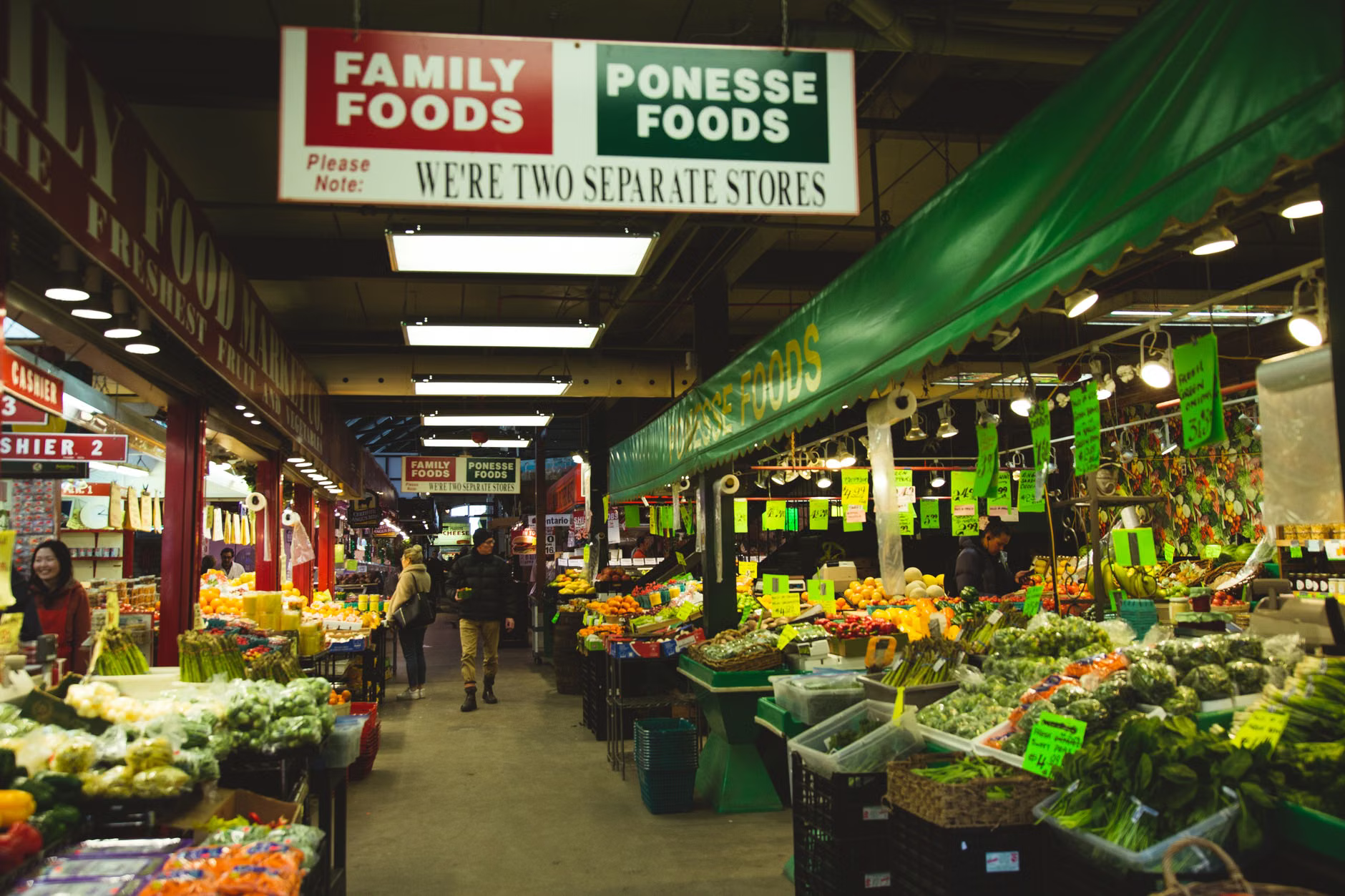
The hyper-local movement wouldn’t exist without chefs who treat the sourcing process as seriously as the cooking. A recent survey by the NYC Hospitality Alliance found that 62% of the city’s top 100 restaurants now source at least one ingredient from the Union Square Greenmarket. Chefs like Alex Raij (of Txikito and La Vara) take it further: she drives upstate to farms such as Stoneledge Farm every week, returning with crates of produce that dictate the day’s specials. Her menu changes daily based on what she carries through the door—sometimes featuring just-harvested ramps or sweet corn that was still on the stalk that morning.
Fermentation and preservation are equally vital. At Rose’s in Crown Heights, chef Sarah Berman turns a glut of summer tomatoes into passata that gets jarred for winter use, reducing waste by nearly 30%. She also pickles green strawberries and ferments honey garlic, creating a pantry of hyper-local condiments that evolve through the seasons. For these chefs, the supply chain isn’t a static system—it’s a creative partnership that constantly reshapes the menu.
Social Media’s Role in Hyper-Local Discovery
Word-of-mouth has always driven great NYC food spots, but social media has turbocharged the process. Instagram accounts like @NYCfoodgems (with 2.3 million followers) regularly spotlight neighborhood restaurants, sending a wave of customers that can account for 80% of a spot’s business overnight. TikTok has its own ecosystem: hashtags like #BushwickEats and #FlushingFood have collectively amassed over 45 million views. A 30-second video of a chef pulling noodles or flipping tacos can turn a previously unknown taqueria into a viral sensation within hours.
Pop-ups and residencies have become a key discovery tool. Chef Velly’s Surinamese stall at Smorgasburg started as a weekend experiment; his peanut stew with roti gained such a following that he’s now opening a permanent location in Crown Heights. These short-term ventures allow chefs to test concepts with minimal risk, build a neighborhood following, and prove their viability before committing to sky-high leases.
Challenges and the Future of Neighborhood Dining
Despite its vibrancy, the hyper-local scene faces daunting obstacles. According to 2024 data from the NYC Hospitality Alliance, 20% of new hyper-local spots close within two years, crushed by rising rents and supply costs. Labor shortages are equally brutal: Bushwick’s Fiasco, a beloved Italian spot, can only serve dinner Wednesday through Saturday because it can’t find cooks willing to work weekend brunches. The financial pressure forces many owners to choose between quality and survival.
But innovative solutions are emerging. Co-op kitchens, like Crown Kitchen in Bed-Stuy, allow three rotating chefs to share a single space, equipment, and staff—splitting overhead and cross-promoting each other’s menus. Some neighborhoods have formed hyper-local food alliances that negotiate bulk pricing with local farmers. Others rely on crowdfunding campaigns to weather seasonal slumps. The future of neighborhood dining may depend on even deeper community ties—literally sharing the kitchen sink.
Your Hyper-Local Food Crawl: 5 Stops to Try This Weekend
Ready to taste the renaissance? Map out a Saturday using these five essential stops:
- Start in Bushwick: Grab al pastor tacos at Los Tacos No. 1 (arrive before 11 a.m. to beat the line), then head to Peppa’s on Starr Street for jerk chicken that’s smoked on-site. Save room for a pupusa from a sidewalk stand near the Morgan Avenue stop.
- Head to Flushing: Land at Nan Xiang Xiao Long Bao for soup dumplings (expect a 30-minute wait; order three orders). Afterward, explore the Golden Shopping Mall food court and grab a hand-pulled noodle bowl from Xi’an Famous Foods.
- End in Harlem: Plant yourself at Sybil’s for oxtail stew with coconut rice—sourced from a Brooklyn mill that grinds local grains. If you still have room, order the church-fried chicken at Dapper’s Soul Food from Virgil’s Farm.
- Bonus dessert: Hop the train to Crown Heights and finish at Sweet Yiayia’s, where the Greek yogurt comes from a Catskills farm and the honey is from a Bushwick rooftop apiary. The tangy frozen yogurt is a perfect palate-cleanser after a day of bold flavors.
This is New York City as it was meant to be eaten—neighborhood by neighborhood, ingredient by ingredient. The hyper-local food renaissance isn’t just about a meal; it’s about connecting with the people, traditions, and terroir that make each corner of this city extraordinary. So next weekend, skip the Midtown reservation. Grab the subway to Bushwick, Flushing, or Harlem. Knock on that unmarked door, wait in that line, and taste the real New York. Your taste buds—and the community—will thank you.