Filipino food is NYC's next big thing. From adobo to halo-halo, here's where to eat the best in Queens, Manhattan, and Brooklyn. Dig in!
You've conquered ramen shops from Midtown to the East Village, navigated the dim sum carts of Chinatown, and even braved the Thai street food stalls of Elmhurst. But there's a culinary frontier in New York City that's still flying under your radar, and it's about to blow your taste buds wide open. Filipino food—bold, vinegary, sour, and unapologetically savory—is having a full-blown moment, with over 150 dedicated restaurants and pop-ups citywide as of 2024. From the crusty lechon kawali that shatters under your fork to the icy, technicolor spectacle of halo-halo, this cuisine offers a flavor ride you can't get from your standard takeout menu. And the best part? You don't need to fly to Manila to experience it. Welcome to NYC's next great food obsession.
Why Filipino Food Is NYC's Next Culinary Obsession
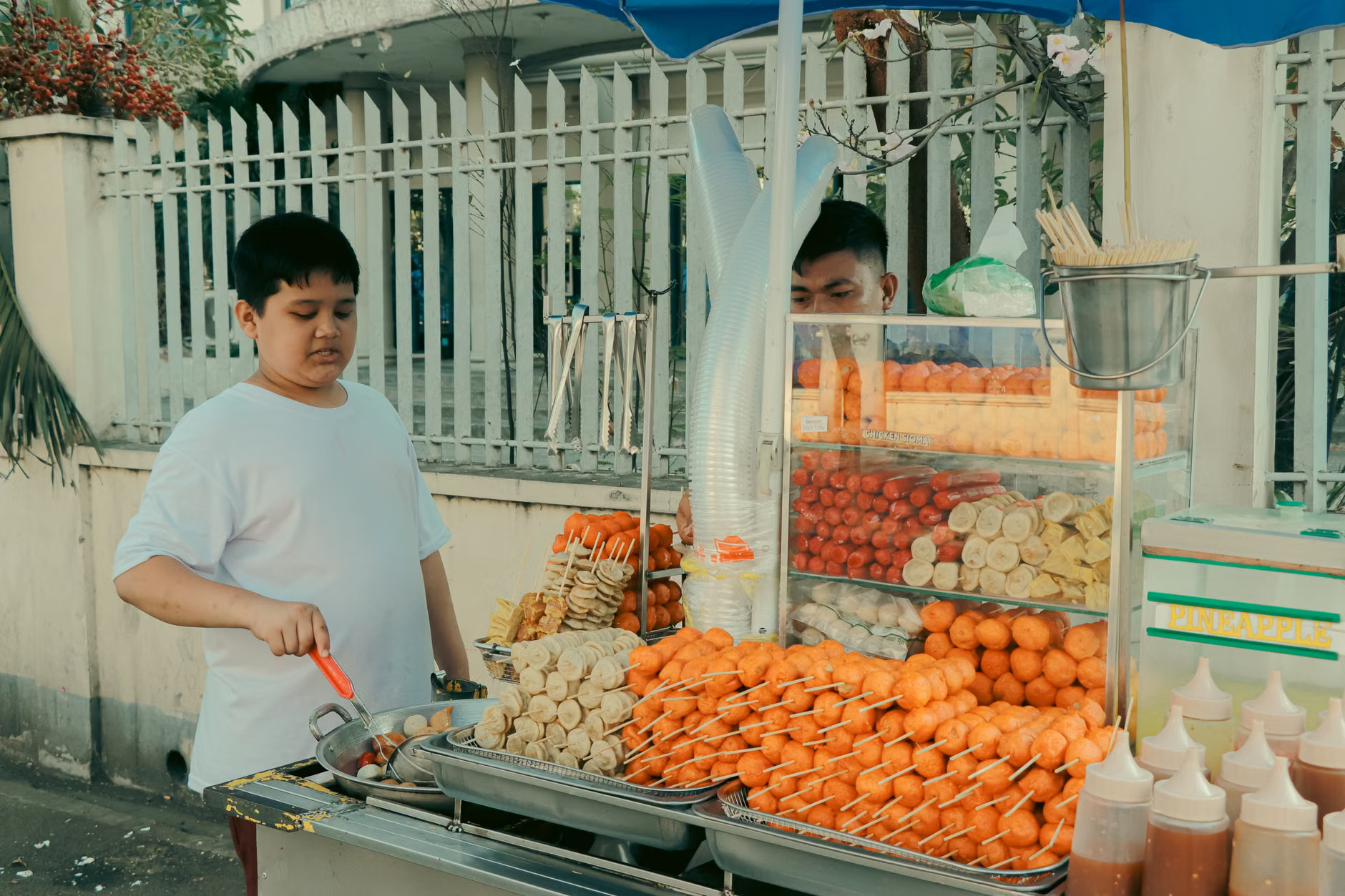
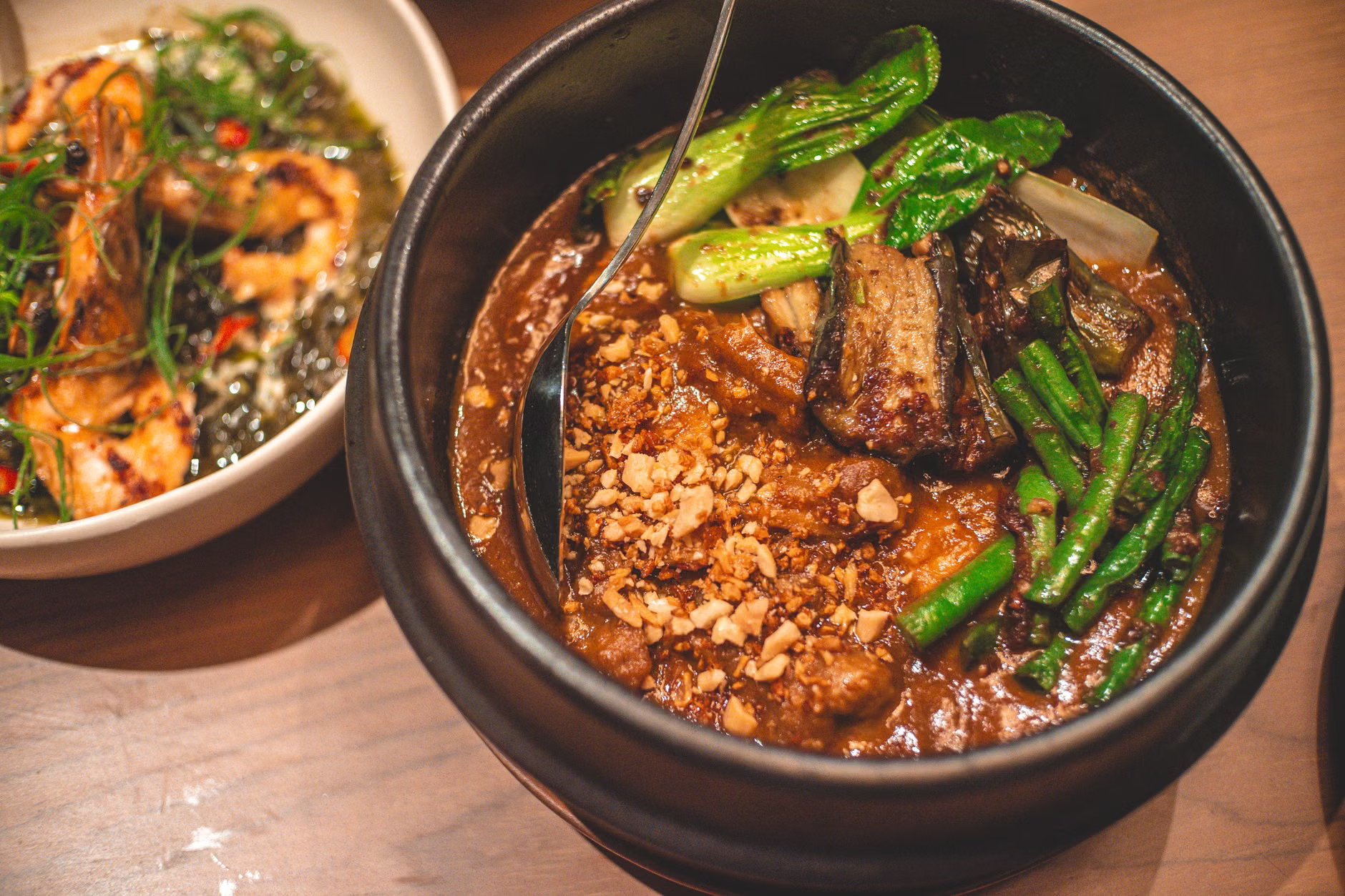
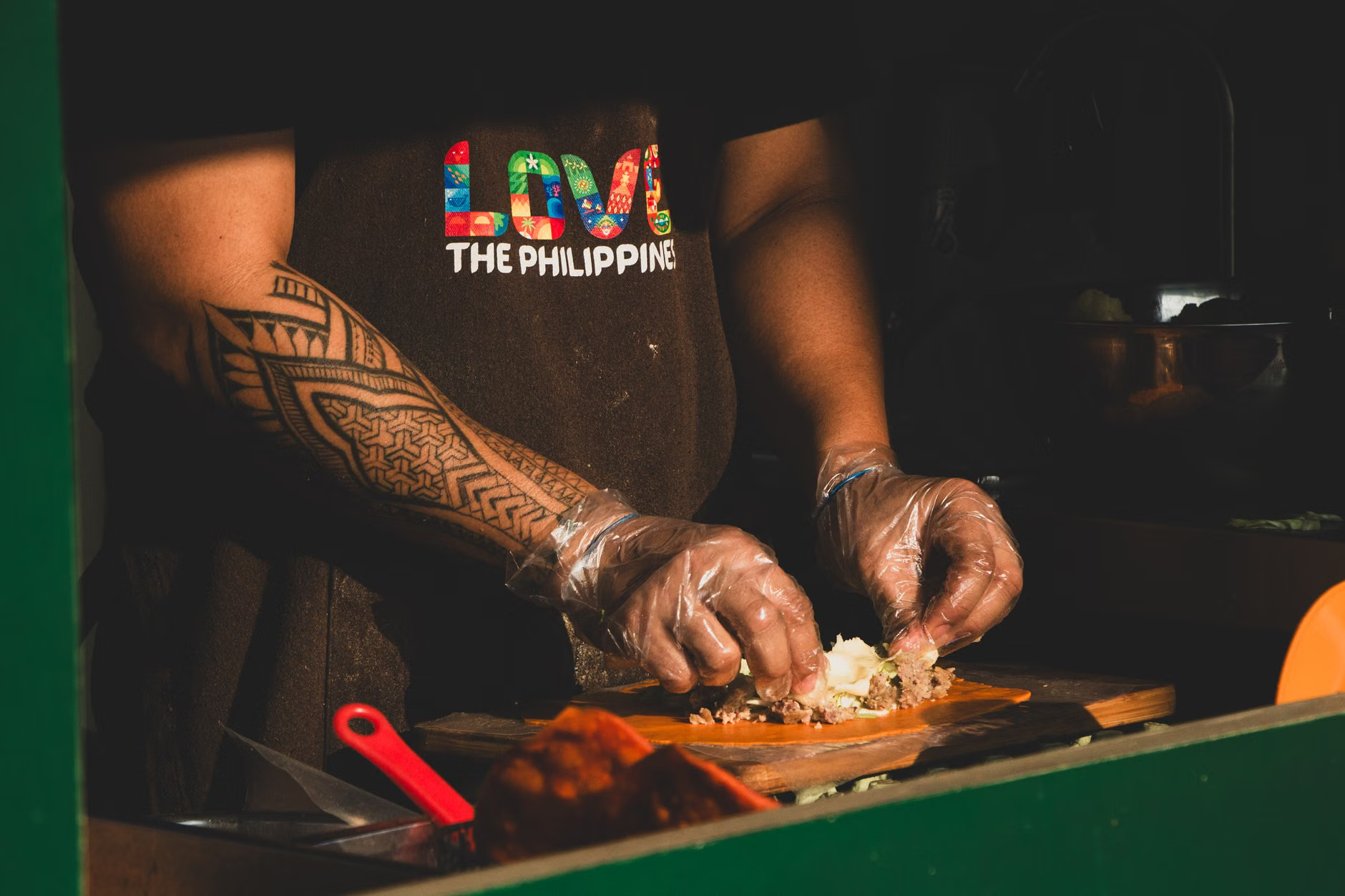
Filipino cuisine has been simmering on the back burner for decades, but the lid is finally off. The numbers tell part of the story: as of 2024, New York City is home to over 150 full-time Filipino restaurants, bakeries, and pop-ups, with new concepts opening every few months. More importantly, iconic dishes like adobo (meat braised in soy sauce, vinegar, garlic, and peppercorns) and lumpia (crispy spring rolls packed with ground pork and vegetables) are showing up on mainstream food lists and even supermarket shelves. What once required a trip to Queens or a friend's grandmother is now spreading into Manhattan and Brooklyn, driven by a wave of ambitious chefs and increasing curiosity from adventurous eaters.
The pioneers of this movement deserve a shout-out. Chefs Nicole Ponseca and Miguel Trinidad opened Maharlika in 2011 and Jeepney in 2014, essentially lighting the fuse for Filipino food's rise in NYC. Their work transformed the perception of the cuisine from humble home cooking to something that deserved a candle-lit dining room and a craft cocktail menu. Since then, a generation of chefs—including James Beard-nominated Nicole Ponseca herself, Elvie's owner Nicole Lou, and the team behind pop-ups like Bayanihan—have pushed the envelope further. The result? Filipino food is no longer a hidden gem; it's a destination.
Traditional Favorites: Where to Find Adobo, Sinigang, and More
If you want to understand the soul of Filipino cooking, start with the classics. These are the dishes that have been passed down through generations, and in NYC, you can find them done with reverence and precision. Here are three spots where tradition rules.
Mesa Manila – Elmhurst, Queens
Tucked away on a quiet block in Elmhurst, Mesa Manila serves what many consider the gold standard of chicken adobo in the city. For $14, you get a generous plate of chicken thighs slow-simmered until the sauce reduces into a salty, tangy glaze that clings to every bite. The secret? They let it rest overnight, allowing the vinegar and soy to penetrate deep. Owner Chef Al Medrano sources free-range chicken and uses a blend of cane vinegar and native soy. Pair it with their garlic fried rice and a side of pickled papaya for a complete meal that tastes like a hug from a Filipino grandmother.
Ihawan – Woodside, Queens
Grill lovers, this is your temple. Ihawan (Tagalog for "grill house") in Woodside's Little Manila is a no-frills spot that does one thing spectacularly: charred meats. Their grilled pork belly (liempo) is a masterpiece—thick slices seasoned with garlic, salt, and pepper, cooked over hot coals until the fat renders and the edges crisp. A full plate with rice runs under $20. But don't skip their sinigang, a sour tamarind-based soup loaded with pork ribs, taro, and long beans. The broth is lip-puckeringly tart, cut by the richness of the meat. It's the perfect cold-weather remedy, and at Ihawan, it's served in a massive bowl that could feed two.
Elvie's – East Village, Manhattan
Elvie's is the rare Filipino restaurant that has earned a James Beard nomination (for owner Nicole Lou). The menu rotates daily based on what's fresh, but you'll often find crispy pata—a whole pork knuckle deep-fried until the skin is shatteringly brittle, served with a side of vinegar dipping sauce. At around $28, it's an indulgence worth every calorie. They also do a standout kare-kare (oxtail stew in peanut sauce) on weekends. The space is tiny and seats only about two dozen, so expect a wait. But the food is so good you won't mind standing outside, smelling the fry oil and garlic wafting through the door.
Modern Twists: Fusion and Upscale Filipino Dining
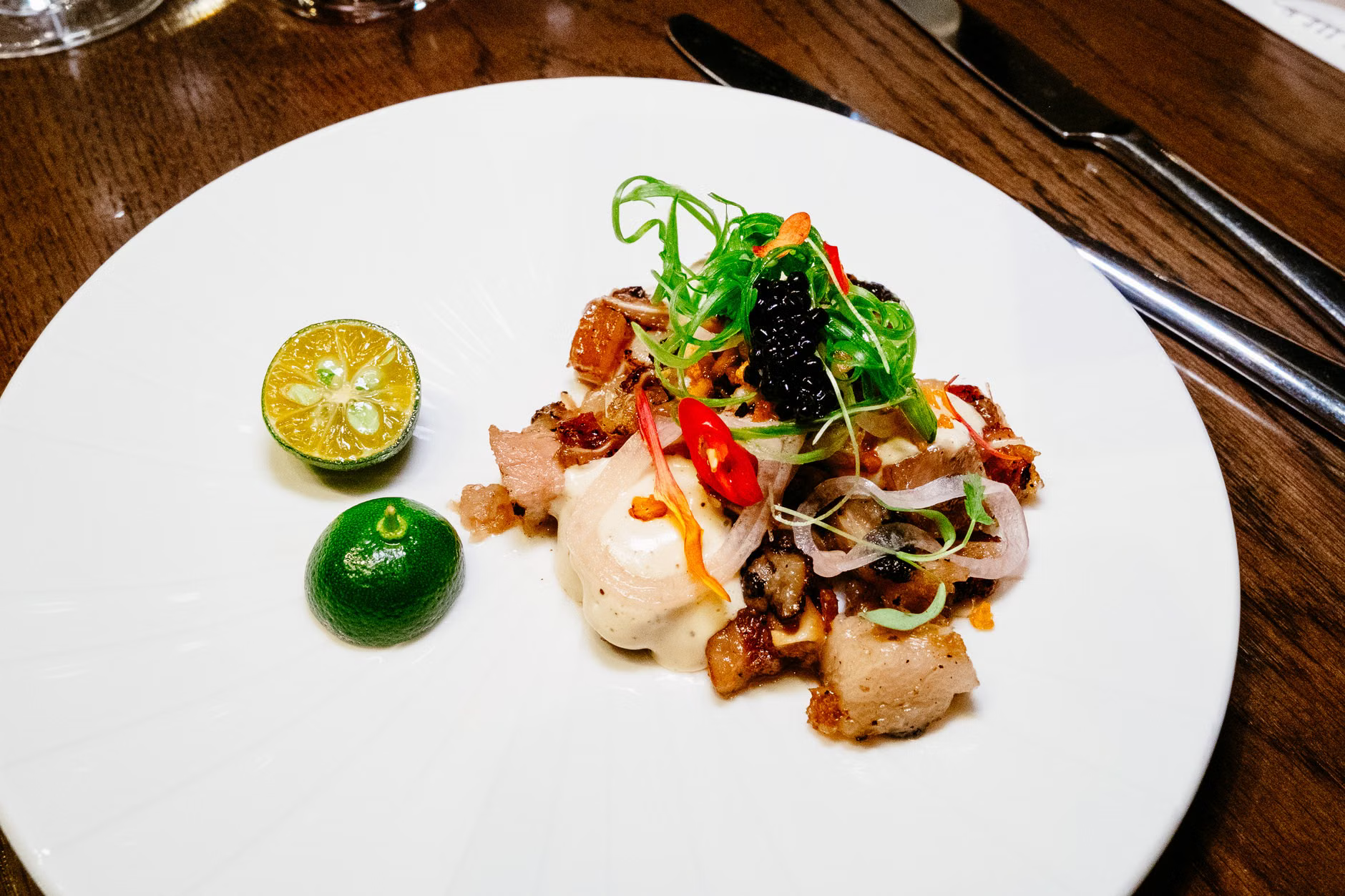
For those who prefer their cultural exploration with a side of creativity, NYC's Filipino chefs are also reimagining classics with global influences. These spots deliver the same bold flavors but through a modern lens—think sisig tacos, ube-infused everything, and tasting menus that tell a story.
- Jeepney (East Village): This landmark from Ponseca and Trinidad is the birthplace of the sisig taco—a crispy tortilla shell filled with sizzling chopped pork face, liver, and chili, topped with a squeeze of calamansi and a drizzle of mayonnaise. It's a mess to eat and absolutely worth it. Their ube cheesecake (purple yam cheesecake on a graham cracker crust) is the best representation of ube in dessert form outside of a bakeshop. Entrees run $16–$22.
- Maharlika (East Village): Also in the East Village, Maharlika reworks Filipino comfort food with a chef's precision. Their chicken inasal—a grilled chicken marinated in annatto, ginger, and lemongrass—is served with a side of garlic rice and a vinegar dipping sauce. It's deceptively simple but perfectly executed. The kinilaw (fish ceviche in coconut cream and vinegar) is a refreshing starter. Entrees $18–$24.
- The Bayanihan Pop-up (various locations): If you want a curated, tasting-menu experience, follow Bayanihan on Instagram. Run by chef Mikko Reyes, this roaming pop-up offers a multi-course dinner that often includes kinilaw (with local catch like fluke or sea bass) and lechon kawali (twice-cooked pork belly with a crackling crust). Booking a seat is like snagging concert tickets—limited and competitive—but the $55–$75 price tag is a steal for the quality and creativity.
Sweet Endings: Best Filipino Desserts and Drinks
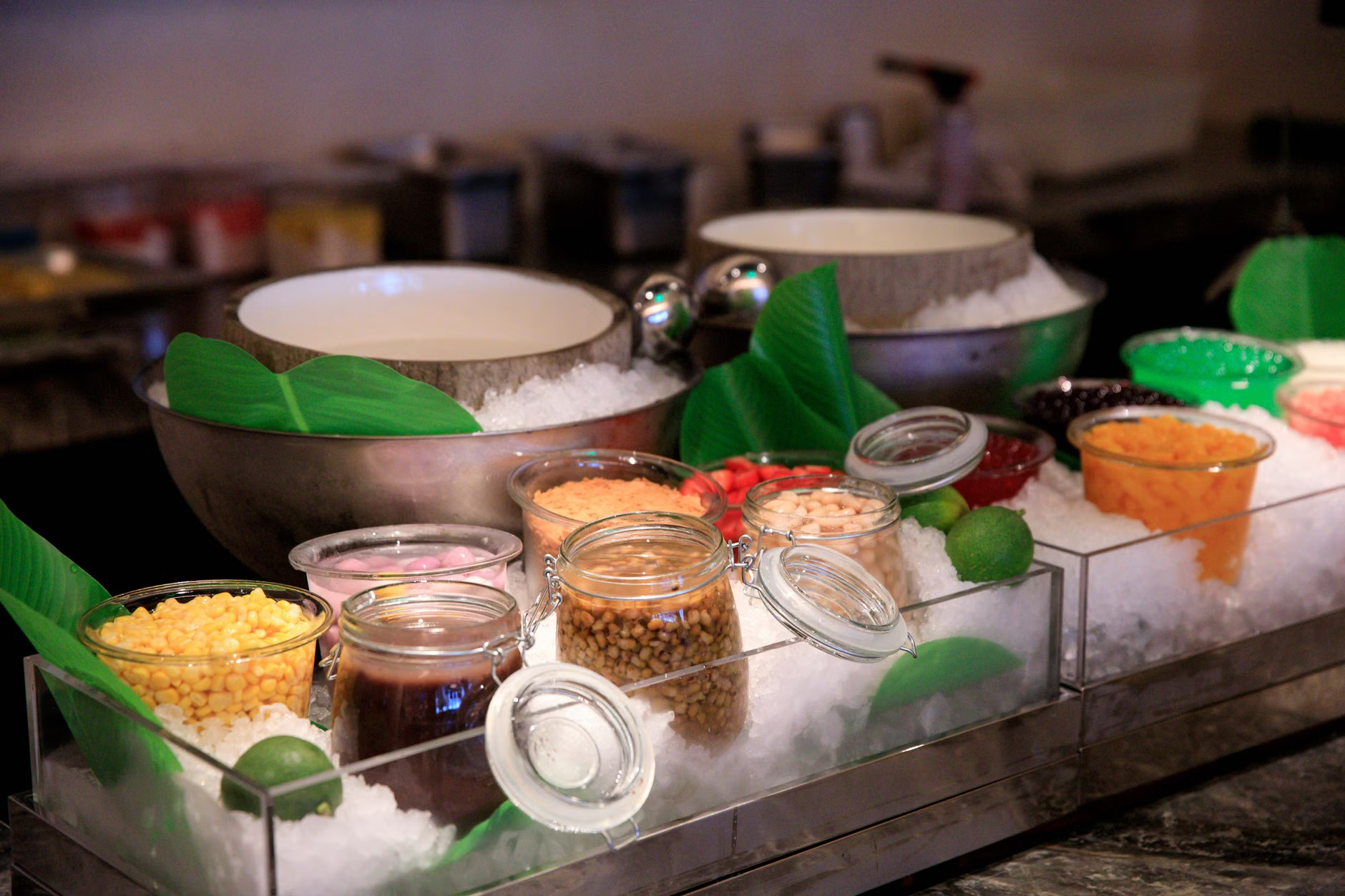

No Filipino feast is complete without something sweet, and NYC's dessert scene has fully embraced the flavors of the Philippines. The two reigning stars are halo-halo and ube, but there's plenty more to explore.
Halo-Halo at Krystal's Cafe – Queens
Halo-halo (Tagalog for "mix-mix") is a shaved ice dessert that's more of an experience than a dish. At Krystal's Cafe in Woodside, you'll get a towering glass filled with finely shaved ice, then layered with sweetened beans (red mung, chickpeas), macapuno (coconut sport), leche flan, ube halaya (purple yam jam), and a scoop of ube or vanilla ice cream. Drizzle evaporated milk on top, grab a long spoon, and mix it all together until it becomes a slushy, creamy, crunchy, sweet-and-savory mess. At $8 for a large, it's the best bargain dessert in NYC.
Ube Everything
Purple yam (ube) has become a mainstream darling, appearing in bakeries and ice cream shops across the city. For a concentrated hit, try ube ice cream at Van Leeuwen—they offer a rotating ube flavor that's earthy, sweet, and a little floral. Pair it with their brown sugar cone. For a next-level treat, head to The Doughnut Project in the West Village, where they occasionally drop ube donuts with a purple glaze and a dusting of desiccated coconut. They sell out fast, so follow their Instagram for drops.
Drinks: San Miguel and Calamansi
To wash it all down, grab a San Miguel beer—the Filipino lager is crisp and light, perfect with grilled meats. Or, for a non-alcoholic option, look for calamansi juice at any Filipino grocery like Phil-Am Food Mart in Woodside. Calamansi is a sour citrus fruit, similar to a lime but with a more floral aroma. The juice is tart, refreshing, and cuts through rich foods like a knife. You can also buy bottled calamansi concentrate to mix at home.
Beyond Manhattan: Filipino Food in Queens and Brooklyn
For the most authentic and concentrated Filipino dining experience, you need to leave Manhattan. The boroughs—especially Queens—are where the heart of the community beats.
- Queens: Little Manila in Woodside — Along Roosevelt Avenue between 61st and 71st Streets, you'll find a stretch of Filipino restaurants, bakeries, and grocery stores. Tito Rad's is a family-style spot known for its bulalo (bone marrow soup) and crispy pata. Max's Restaurant, a chain from the Philippines, is a reliable choice for fried chicken (their specialty) and palabok noodles. Walk a few blocks to Phil-Am Food Mart to stock up on chips, sauces, and frozen lumpia.
- Brooklyn: Bad Saint (Greenpoint) — Bad Saint has achieved near-legendary status since opening in 2016. It's a tiny spot with a modern Filipino tasting menu, and the wait can stretch over two hours. But loyalists swear it's worth it: dishes like calamansi ceviche and fried pork belly with papaya salad are balanced and vibrant. No reservations, so come early or on a weekday.
- Jersey City (Just Across the River) — Don't sleep on Jersey City's growing scene. Purple Yam offers a mix of traditional and creative Filipino dishes, while F.O.B. Filipino (slang for “fresh off the boat”) serves up hearty plates like adobo and lumpia in a casual setting. It's a quick PATH ride from Manhattan.
First-Timer's Guide: Must-Try Dishes and Etiquette
If you're new to Filipino food, the variety can be overwhelming. Here's a game plan to ensure you hit the highlights without missing a beat.
Start with these appetizers:
- Lumpia — These spring rolls are a gateway drug. Fresh (lumpia sariwa) or fried (lumpia Shanghai), they're packed with ground pork, shrimp, and vegetables, and served with a sweet chili dipping sauce. Get them at any Filipino restaurant or from a freezer aisle to cook at home.
- Pancit — Rice noodles stir-fried with vegetables, soy sauce, and your choice of protein. Pancit bihon (thin rice noodles) is the classic. It's the dish you'll see at every Filipino party; it symbolizes long life.
Main courses to dive into:
- Adobo — Start here. It's the national dish for a reason. The interplay of salty, tangy, and fatty is unlike anything else.
- Sisig — Chopped pork face, ears, and liver, served sizzling on a hot plate with chili and calamansi. It's the ultimate beer food. Eat it with a spoon or on a tortilla.
Etiquette tip: Kamayan is real.
At many traditional Filipino restaurants, especially at Jeepney's Kamayan Feast, you'll be invited to eat with your hands. This is called kamayan—a communal, utensil-free experience where you scoop rice and meat with your fingers and form them into a ball. It's messy, fun, and deeply social. The rule: use only your right hand (the left is considered unclean), and don't be afraid to get saucy. It's a mark of respect for the food and culture.
Don't forget the dipping sauces. Every table should have vinegar (sukang maasim) and soy sauce (toyo) with crushed chili. Dip every bite—especially fried foods—to balance the richness and add a sour kick. It's not optional; it's essential.
Your Next Food Adventure Awaits – Try Filipino Today!
Filipino food in New York City is no longer a secret—it's a vibrant, growing scene that offers everything from $8 halo-halo to James Beard-nominated tasting menus. Whether you're a seasoned eater looking for your next obsession or a newbie wanting to dip a toe, the flavors are accessible, affordable, and unforgettable. Plan a trip to Woodside's Little Manila for a concentrated walk-through of classic dishes, or book a seat at a modern pop-up for a mind-blowing multi-course journey.
Don't just read about it—get out there and taste it. Share your discoveries on social media with #NYCFilipinoEats and tag us for a chance to be featured on our blog. Your next favorite meal is waiting. Grab a spoon (or use your hands) and dig in.