Forget Neapolitan and New York slices—Roman pizza al taglio is NYC's new obsession. Discover the top five spots for a crispy, airy slice.
You’ve had Neapolitan pizza—the soft, puffy, wood-fired classic. You’ve even tried that New York slice, folding it over like a local. But there’s a third player quietly taking over the city’s pizza scene, and it’s earning a fierce, loyal following. Roman-style pizza al taglio—baked in rectangular trays, sold by the slice, and prized for its crispy-yet-airy crust—is the next big thing in New York City. In the past five years, at least a dozen dedicated Roman pizzerias have opened, and the best ones are serving slices that rival anything you’d find in Rome’s pizzerie al taglio. I’ve eaten my way through nearly all of them to bring you the five spots you cannot miss.
Why Roman Pizza Is NYC’s Next Big Thing
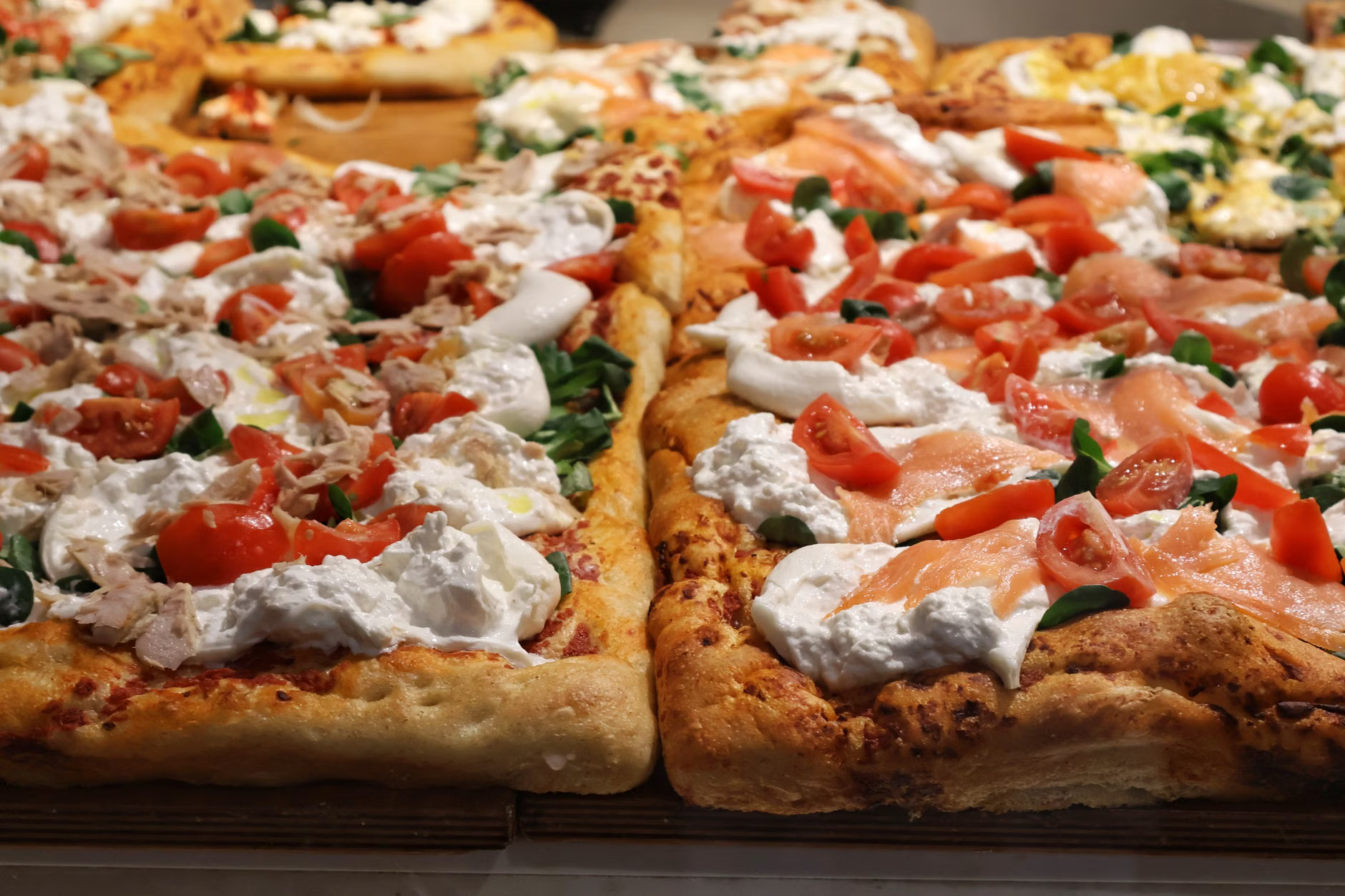
For decades, New Yorkers (and visitors) have been devoted to two camps: the foldable, thin-crust New York slice and the blistered, chewy Neapolitan pie. Both are round. Both rely on high heat: a New York slice in a gas deck oven, a Neapolitan in a 900°F wood-fired inferno. Roman al taglio breaks every rule. It’s rectangular, not round. It’s baked at a lower temperature (usually around 500°F) in electric or gas deck ovens, giving the dough time to develop a crisp bottom while retaining an interior that’s light, airy, and full of irregular holes—known as alveolation.
What makes it so addictively different? The dough itself. Roman pizza uses a high-hydration formula (70–80% water to flour) and a long cold fermentation that can last 24 to 72 hours. This process yields a crust that’s crispy on the outside and chewy with a delicate crumb inside—a texture unlike any other pizza style. Toppings are spread evenly across the whole tray, then cut into squares or rectangles. Because the base is so sturdy, it can handle creative, often seasonal toppings that would overwhelm a fragile Neapolitan crust. Think potato and rosemary, artichokes with pecorino, or even cacio e pepe.
New York’s Roman pizza boom is real. In 2019, you could count the dedicated al taglio spots on one hand. Today there are at least ten, with more opening every year. The trend owes a debt to Rome’s own Gabriele Bonci, whose flagship Pizzarium and outposts like Bonci in Midtown East have taught New Yorkers that pizza can be both rustic and refined. Now, local chefs are taking the style and running with it, adding their own spins while honoring the tradition.
What Makes Roman Pizza Unique: Characteristics and History
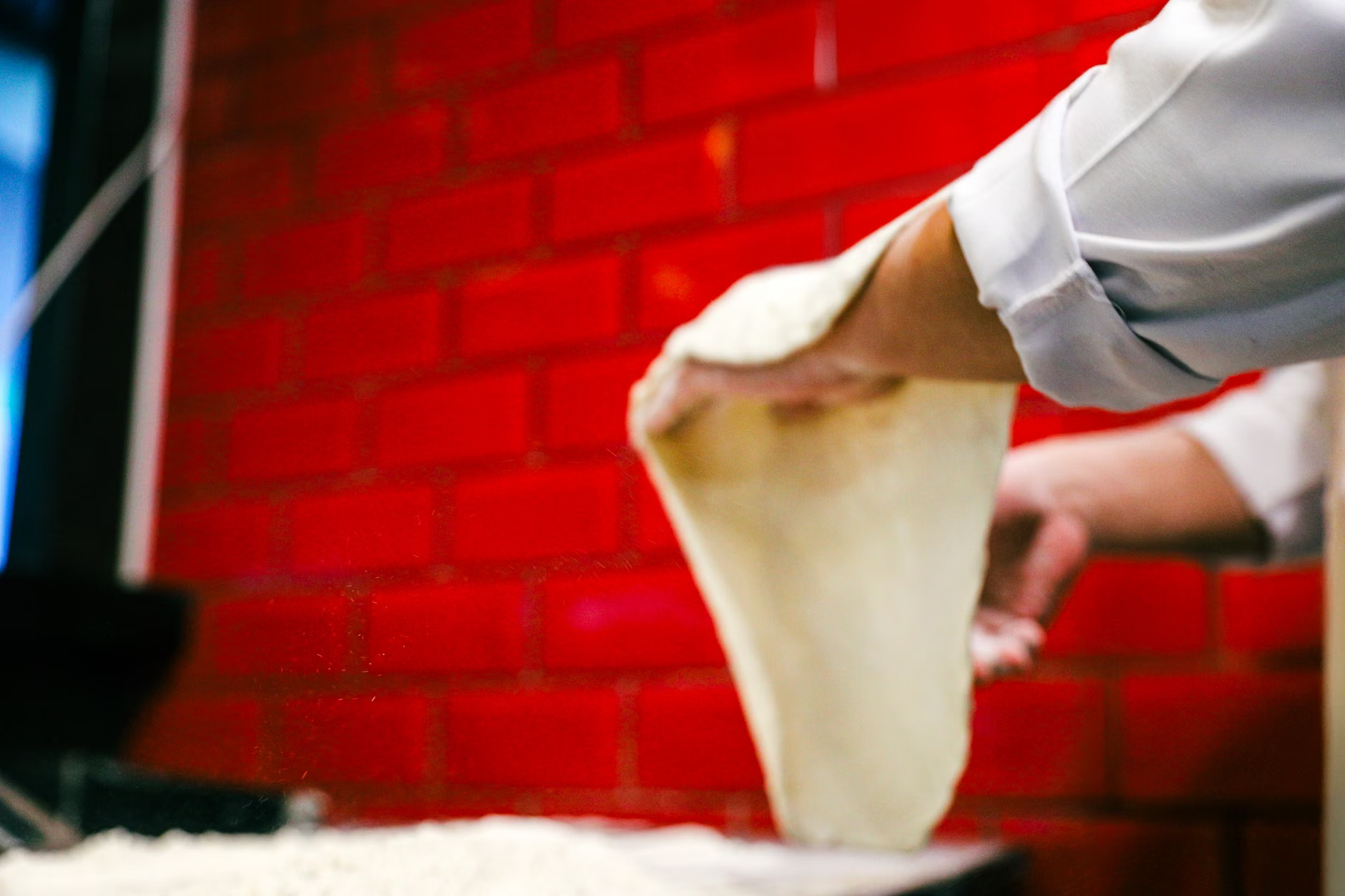
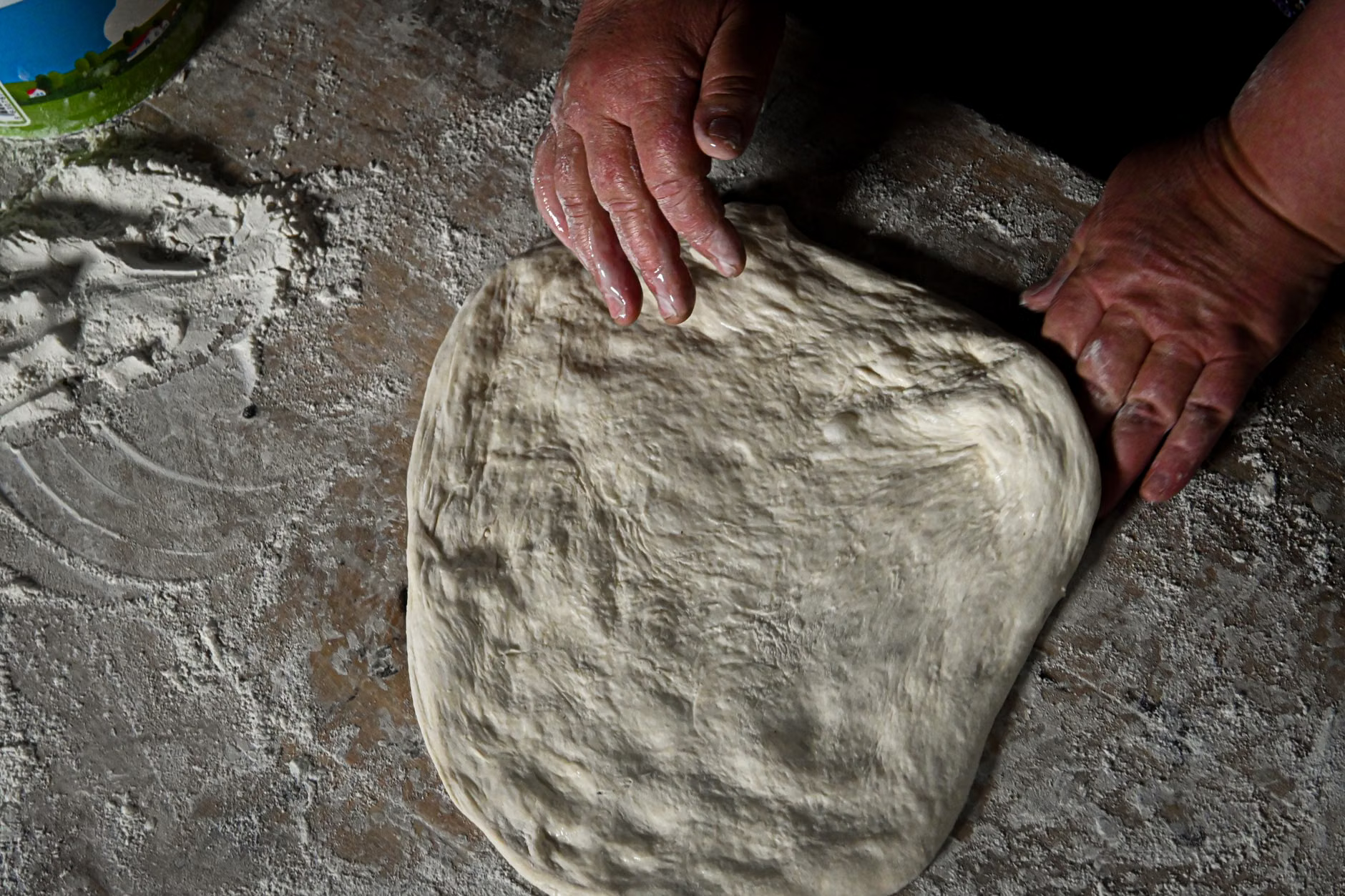
Roman-style pizza al taglio has deep roots in the Eternal City. Unlike the sit-down, wood-fired pizzeria of Naples, Rome’s pizza al taglio emerged as a street food—sold by weight, cut with scissors, and eaten on the go. It’s the pizza you grab for lunch while strolling past the Pantheon or the Colosseum. The dough’s high hydration and long fermentation create a spongy, bread-like crumb that’s both satisfying and surprisingly digestible. And because it’s baked in rectangular trays, the toppings get an even distribution without the risk of a soggy center.
Dough: The Science Behind the Crunch
The hallmark of Roman-style pizza is its 80% hydration dough (sometimes even higher). That’s almost a pound of water for every pound of flour. The high water content, combined with a long cold proof (24 to 72 hours), develops gluten slowly, trapping air bubbles that expand into large, irregular holes during baking. The result: a crust that’s light as a cloud but crisp as a cracker when you bite into it. Chefs often use a blend of high-protein bread flour and semolina for added structure and a golden color.
Oven Temperature and Technique
True Roman al taglio is never wood-fired. Instead, it’s baked in electric or gas deck ovens at a lower temperature—typically between 480°F and 530°F—for a longer period (10–15 minutes). This allows the moisture inside the dough to evaporate slowly, creating steam that pushes up the crumb while the bottom sears against the hot metal deck. The result is a uniformly crisp base and a tender, airy interior. Neapolitan pizza, cooked in 90 seconds, simply cannot achieve this texture.
Toppings: Minimalist and High-Quality
Roman pizza often celebrates minimalism. A classic margherita al taglio features just tomato sauce, fresh mozzarella strips, and basil—no overloaded layers. The high-quality ingredients are allowed to speak for themselves. You’ll find seasonal vegetables, imported Italian cheeses, and cured meats like prosciutto di Parma or spicy nduja. The best pizzaiolos treat the dough as the star, not just a vehicle for toppings.
Top 5 Roman Pizzerias in NYC You Must Try
Ready to taste the difference? Here are my five go-to spots, each serving authentic pizza al taglio with their own distinct character. All are within the borough (or a short bridge away), so you can plan your own Roman pizza crawl.
1. Bonci (Midtown East)
When the legendary Gabriele Bonci brought his Roman empire to New York in 2017, he set the standard. Located at 174 East 82nd Street, Bonci’s Midtown East outpost is a sleek, modern space with a long counter displaying 12 to 15 different pies daily. The must-try slice is the potato and rosemary ($5): paper-thin potato slices layered over a creamy base of pecorino and black pepper, with fresh rosemary that perfumes every bite. The crust is exceptionally airy, with a satisfying crackle that gives way to a pillowy interior.
- Address: 174 East 82nd Street (between Lexington and Third)
- Signature slice: Potato and rosemary ($5)
- Also try: The spicy nduja and broccoli rabe slice ($5.50), and the supplì (Roman rice balls, $4 each)
- Pro tip: Go early—popular toppings sell out by 1 p.m.
2. Pizzana (Upper East Side)
Chef Daniele Puleo brings a refined touch to Roman-style pizza at Pizzana, located at 1410 Second Avenue. His cacio e pepe pizza ($7 per slice) is a revelation: a base of pecorino Romano and black pepper, with a drizzle of olive oil that cuts through the richness. The crust is crisp with large, bubbly holes, and the cheese-to-dough ratio is spot-on. Puleo sources his flour from Italy and uses a 48-hour fermentation for maximum flavor.
- Address: 1410 Second Avenue (between 73rd and 74th)
- Signature slice: Cacio e pepe ($7)
- Also try: The margherita D.O.C. ($6.50) with buffalo mozzarella, and the affogato ($8) for dessert—vanilla gelato drowned in hot espresso.
- Pro tip: Pair your slice with a glass of Vermentino ($12).
3. La Pecora Bianca (Multiple Locations)
Though known for its full-service Italian dining, La Pecora Bianca offers a Roman-style pinsa that deserves its own spotlight. Pinsa (a variation on pizza al taglio) uses a dough blend of rice, soy, and white flour for a lighter, crispier base with an airy crumb. The prosciutto e rucola slice ($6) is a standout: a thin layer of tomato sauce, fresh arugula, shaved Parmigiano-Reggiano, and silky prosciutto di Parma draped on top. It’s less oily than traditional Roman pizza but still satisfies that crunch craving.
- Locations: Chelsea (38 West 20th Street) and Midtown (32 West 40th Street)
- Signature slice: Prosciutto e rucola ($6)
- Also try: The funghi e salsiccia (mushroom and sausage, $6.50) and the supplì ($4).
- Pro tip: Order the pinsa by the whole tray if dining with a group—it’s cut into eight squares and easy to share.
4. Settepani (Williamsburg, Brooklyn)
Over in Williamsburg, Settepani has been a neighborhood staple since 2016. Owner Leah Settepani (a native Roman) brings her grandmother’s recipes to life in a cozy, brick-walled spot at 196 North 8th Street. The zucchini flower and anchovy slice ($5.50) is a crowd-pleaser: delicate zucchini blossoms, salty anchovies, and a touch of mozzarella on a golden, crackling base. The anchovies melt into the sauce, adding umami without overwhelming the floral notes of the squash blossoms.
- Address: 196 North 8th Street (between Bedford and Driggs)
- Signature slice: Zucchini flower and anchovy ($5.50)
- Also try: The tonno e cipolla (tuna and red onion, $5) and the gelato made in-house ($6 for two scoops).
- Pro tip: Settepani stays open until midnight on weekends—perfect for a late-night slice after a show at Brooklyn Steel.
5. Forcella (Nolita)
Forcella is primarily known for its Neapolitan-style pizzas, but their Roman-style margherita ($6 per slice) competes with the best. Located at 254 Elizabeth Street, Forcella bakes their rectangular pies in a gas deck oven at a lower temperature than their wood-fired counterpart, resulting in a crisp, non-soggy bottom and a chewy, holey crumb. The margherita uses San Marzano tomatoes, fresh fior di latte, and basil—simple, but the execution is flawless. The crust holds its shape perfectly, even when topped with generous strips of mozzarella.
- Address: 254 Elizabeth Street (between Prince and Houston)
- Signature slice: Roman-style margherita ($6)
- Also try: The supplì ($4.50) and the nutella pizza ($8) for dessert—a thin Roman-style crust brushed with hazelnut spread.
- Pro tip: Order the Roman-style slice from the counter at lunch; it’s not listed on the dinner menu, so ask specifically for “al taglio.”
How to Spot Authentic Roman Pizza: A Checklist
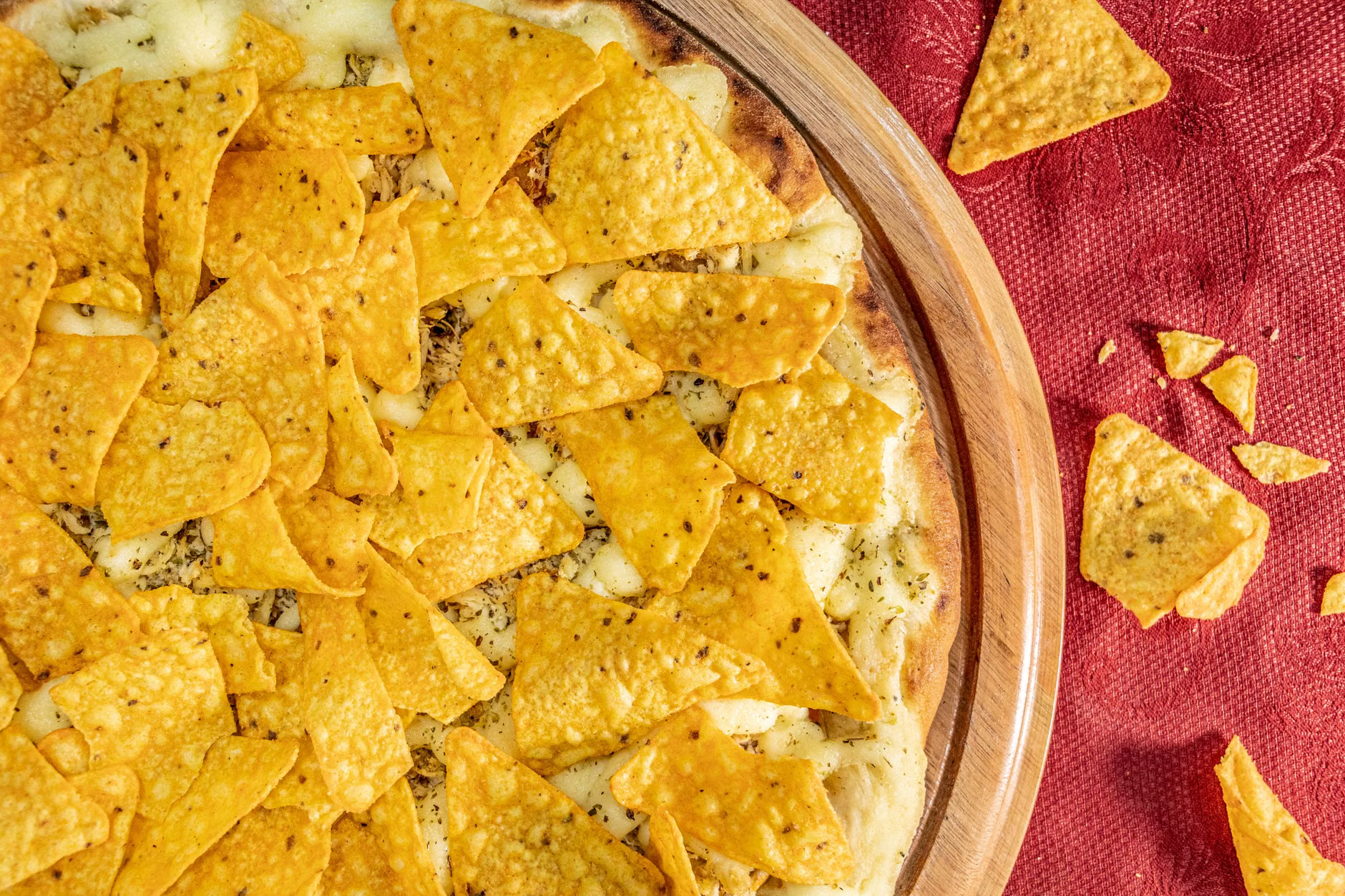
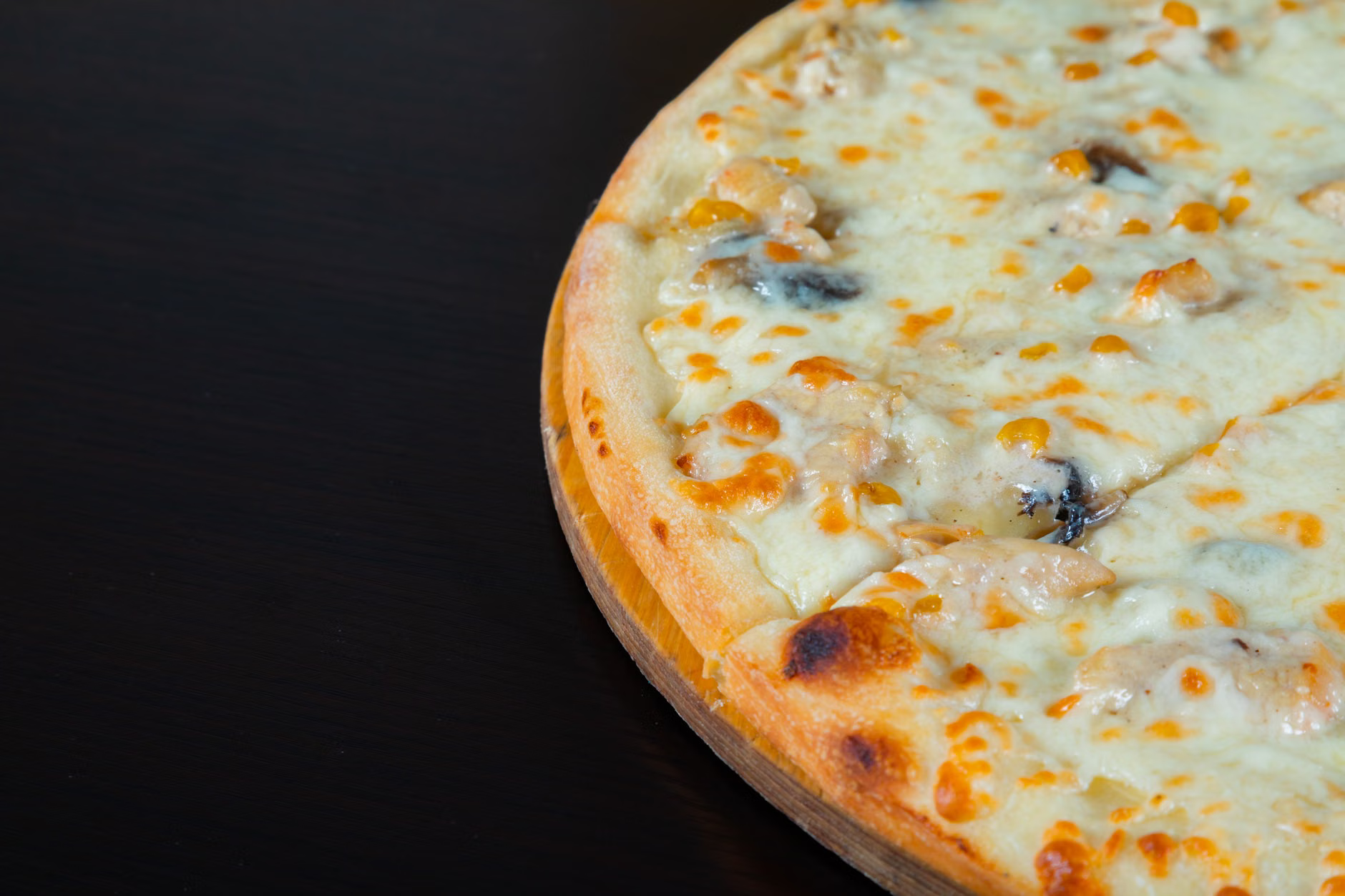
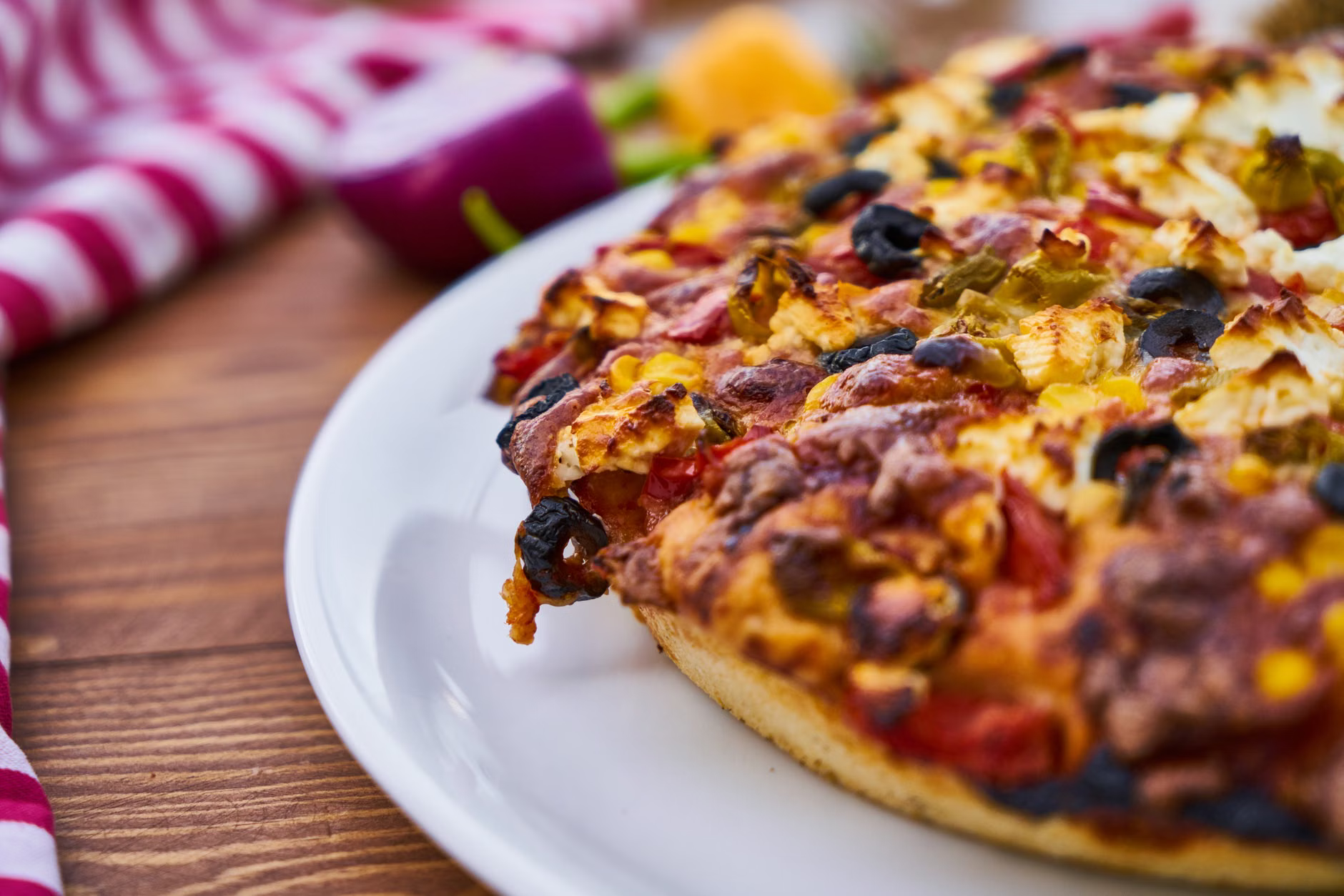
Not every rectangular slice is true Roman al taglio. To avoid a soggy, flat impostor, use this quick checklist when you’re at a new spot.
- Shape: Look for rectangular or square slices—never round. Roman al taglio is always baked in a rectangular tray and cut into squares or rectangles.
- Crust: The crust should be crispy on the outside, chewy and airy inside, with large irregular holes (alveolation). If the underside is pale or the interior is dense, it’s not authentic.
- Toppings: Authentic Roman pizza keeps toppings minimal and high-quality, allowing the dough to shine. Overloaded slices with mountains of cheese or sauce are a red flag.
- Oven: Ask if the pizza is baked in a deck oven (electric or gas)—true Roman pizza is never wood-fired. If you see wood logs, the texture will be completely different (and not what you’re after).
- Weight and cost: Roman al taglio is often sold by weight, but in NYC many spots price by the slice. Expect to pay $5–$8 for a generous oblong slice. If it’s under $4, be skeptical—good ingredients cost money.
Pair Your Pizza: Wine and Sides at Roman Pizzerias
A great pizza deserves a great companion. Roman pizzerias in NYC often have thoughtful beverage programs and side dishes that elevate the experience.
Wine by the Glass or Bottle
Roman-style pizza pairs best with Italian white wines that have good acidity to cut through the olive oil and cheese. A crisp Gavi di Gavi (from Piedmont) or a Vermentino from Sardinia will complement a margherita or a cacio e pepe slice beautifully. For those who prefer red, a bold Nero d’Avola (from Sicily) stands up to meaty toppings like nduja or prosciutto. At Pizzana, the wine list includes both options by the glass ($12–$14), and they’ll happily give a recommendation. At Bonci, you can also find Moretti beer or Italian sodas if you want something lighter.
Classic Roman Sides
No Roman pizza experience is complete without supplì—deep-fried rice balls stuffed with mozzarella and ragù (similar to arancini, but Roman-style). Bonci and Settepani both offer them for around $4 each. They’re crunchy on the outside, molten on the inside, and the perfect starter. Forcella also has a Roman-style fried artichoke (alias carciofi alla giudìa) for $7—a whole artichoke flattened and fried to a crisp, a traditional Roman Jewish dish.
Don’t Skip Dessert
After a slice (or three), treat yourself. Pizzana’s affogato ($8) is a must—vanilla gelato topped with a shot of hot espresso, perfect for dipping the leftover crust. Settepani makes its own gelato, with rotating flavors like stracciatella and pistachio ($6 for two scoops). For a sweet finish, try the nutella pizza at Forcella ($8): a thin Roman-style crust brushed with chocolate-hazelnut spread and lightly toasted.
Ready to Taste the Best Roman Pizza in NYC? Go For It!
Now you know where to go. Head to Bonci for the potato and rosemary slice, or try Pizzana's cacio e pepe. Whether you're a first-timer or a seasoned fan, these five Roman pizzerias will change how you think about pizza. Don't wait—grab a slice (or two) today.