Discover NYC's Neapolitan pizza revolution—from VPN-certified classics to modern twists. Our guide reveals the top spots and what makes each pie perfect.
I still remember the moment I bit into my first real Neapolitan pizza in New York City—and everything I thought I knew about pizza changed. It was at Kesté Pizza & Vino on a rainy Tuesday afternoon, and the crust was so impossibly soft and pillowy that I almost dropped the slice in disbelief. For years, I had championed the classic New York slice as the city's definitive pizza experience, but that first mouthful of charcoal-speckled cornicione, that whisper-thin layer of DOP San Marzano tomatoes, and the milky sweetness of fresh fior di latte made me a convert on the spot. New York has always been the pizza capital of America, but over the past decade, a quieter, more obsessive revolution has been simmering in wood-fired ovens from Williamsburg to Midtown. This isn't just another pizza trend—this is a full-blown Neapolitan pizza revolution, and it's transforming how we eat, wait in line, and argue about tradition in this city. If you've ever wondered why a pizza purist would stand in a 45-minute queue for a pie that takes 90 seconds to cook, this guide is for you.
Why Neapolitan Pizza is Taking Over NYC
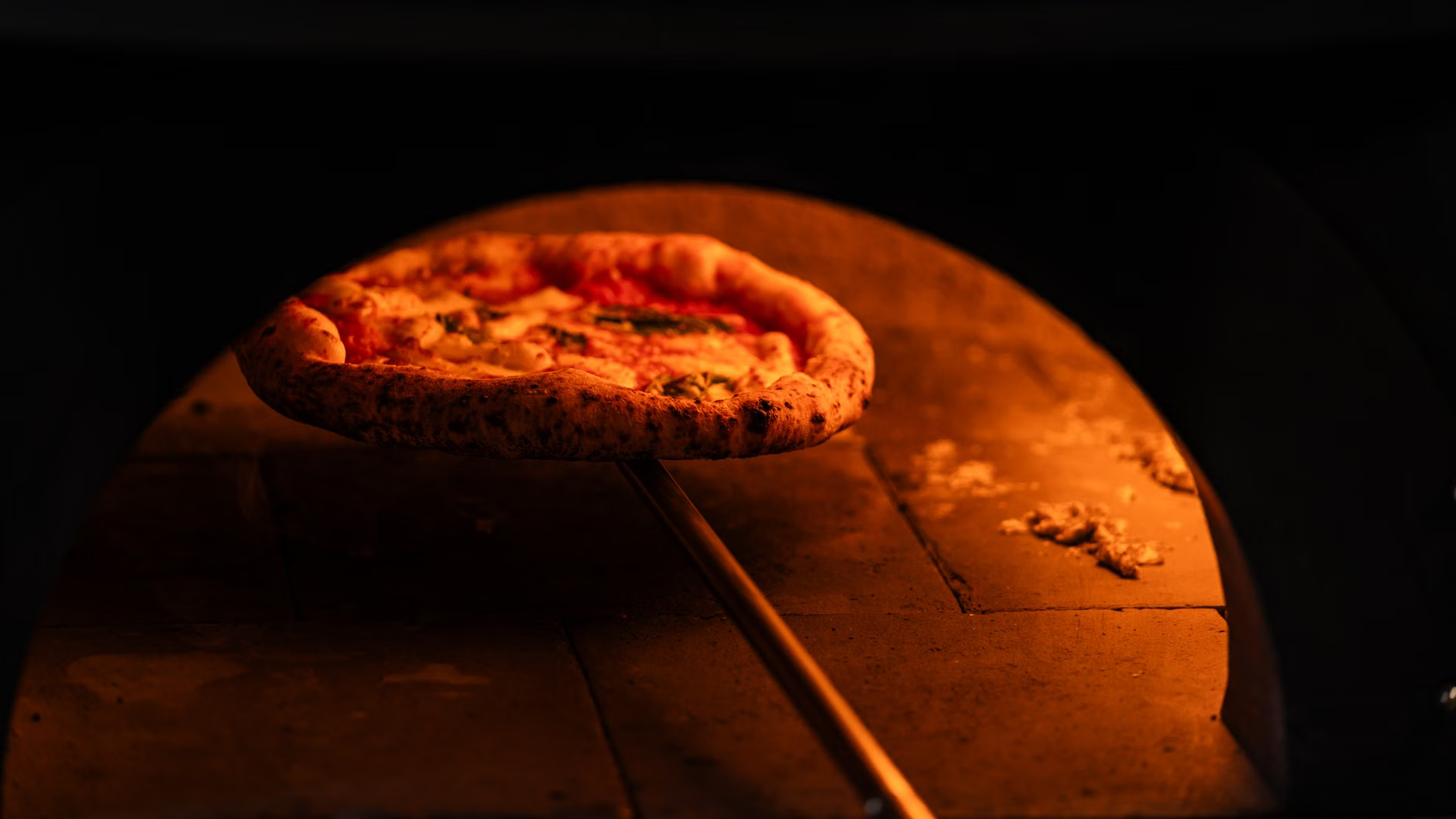
New York City has always been a battlefield of pizza styles—Sicilian, grandma, Roman al taglio, and the iconic New York foldable slice. But in the last five years, Neapolitan pizza has quietly become the most sought-after, debated, and Instagrammed pie in town. The appeal is almost architectural: a soft, delicate crust that puffs up like a pita but collapses tenderly under the weight of just a few pristine toppings. Unlike the sturdy, foldable New York slice that dominates dollar-slice joints, Neapolitan pizza demands your full attention. It's personal-sized, meant to be eaten with knife and fork (or with your hands if you're brave enough to dodge the puddly center), and it celebrates simplicity over abundance.
The rise of Neapolitan pizza in NYC isn't an accident—it's driven by a handful of obsessive pizzaiolos who have made it their mission to bring authentic Italian pizza-making to American shores. Restaurants like L'Industrie Pizzeria in Williamsburg and Don Antonio in Midtown are leading this charge, drawing long lines daily from locals and tourists alike who are hungry for something more nuanced than a standard slice. L'Industrie, for instance, has developed a cult following that borders on religious zeal; people regularly wait 45 minutes for a pie with burrata and soppressata, and they'll tell you it's worth every second. Meanwhile, Don Antonio's fried-crust Montanara has become a signature dish that you can't find anywhere else in Manhattan. These pizzerias aren't just making pizza—they're performing a ritual rooted in centuries of Italian tradition, and New Yorkers are flocking to witness it.
What makes this movement even more compelling is the strict authenticity framework that governs true Neapolitan pizza. The style's legitimacy is protected by the VPN (Verace Pizza Napoletana) certification, a rigorous standard that ensures every pie meets traditional methods and ingredients. This isn't just marketing—it's a promise. When a pizzeria holds VPN status, you know they're using San Marzano tomatoes grown in the volcanic soil of Mount Vesuvius, mozzarella made exclusively from the milk of water buffalo raised in Campania, and 00 flour milled to a specific fineness. The rules are so precise that the oven temperature must reach 900°F, and the pizza can only cook for 60 to 90 seconds. Any deviation, and the certification is revoked. In a city where pizza is as diverse as its neighborhoods, this level of dedication is both rare and remarkable. Only a handful of pizzerias in NYC hold this certification, making them the true gatekeepers of the craft.
The Rules of the Game: VPN Certification and Traditional Standards
Understanding Neapolitan pizza means understanding the VPN certification, because without it, you're essentially eating a well-made imitation. The Verace Pizza Napoletana association was founded in Italy in 1984 to codify and protect the traditional Neapolitan pizza-making process. In New York City, only a select group of pizzerias have earned this distinction, and the requirements are astonishingly detailed. Let me break down what it takes to qualify:
- Ingredients must originate from specific regions in Italy: The tomatoes must be San Marzano DOP (Denominazione d'Origine Protetta) grown in the Agro Sarnese-Nocerino area near Naples. The mozzarella must be made from water buffalo milk from Campania or cow's milk fior di latte from the same region. The flour must be tipo 00, a finely ground Italian flour with a protein content between 11.5% and 12.5%.
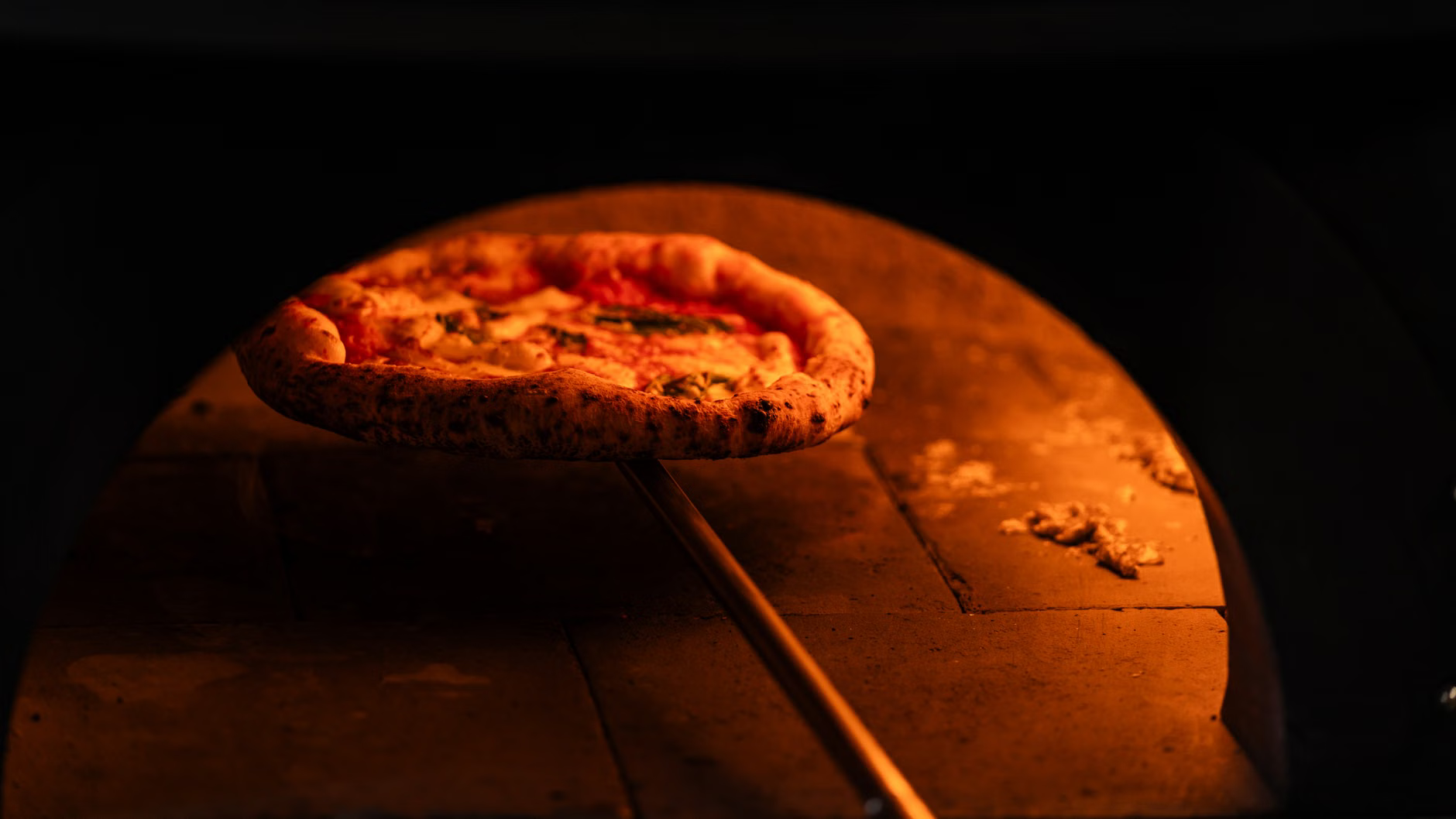
- The cooking process is non-negotiable: The pizza must be baked in a wood-fired oven at a temperature between 430°C and 485°C (roughly 806°F to 905°F) for no more than 60 to 90 seconds. The crust must rise into a puffy cornicione with characteristic 'leopard spots'—those dark, caramelized blisters that signal proper heat distribution and fermentation.
- The pizza must be hand-stretched: No rolling pins allowed. The pizzaiolo must slap-stretch the dough by hand to preserve the air bubbles developed during fermentation. The center should be thin, no thicker than 0.4 centimeters.
- Only two traditional toppings are officially recognized: Margherita (San Marzano tomatoes, mozzarella, fresh basil, and extra virgin olive oil) and Marinara (tomatoes, garlic, oregano, and olive oil—no cheese). Anything else is considered a variation, not a true VPN pizza.
So which NYC pizzerias actually hold this elusive certification? The list is short, but legendary. Kesté Pizza & Vino at 77 Fulton Street in Lower Manhattan is perhaps the most famous VPN-certified spot in the city, known for its textbook-perfect Margherita with a crust that rises like a soufflé. Ribalta at 48 East 12th Street is another certified heavyweight—a cozy, BYOB-friendly spot where the Margherita arrives with a deeply charred, airy crust that tastes like Naples. A third essential mention is Don Antonio in Midtown, which is also VPN-certified but creatively pushes the boundaries with its Montanara (fried crust) options—a move that purists debate but customers adore. These three pizzerias serve as the Vatican, St. Peter's, and the Sistine Chapel of Neapolitan pizza in NYC, and any pizza pilgrim should make them a priority.
Top 5 Neapolitan Spots in NYC
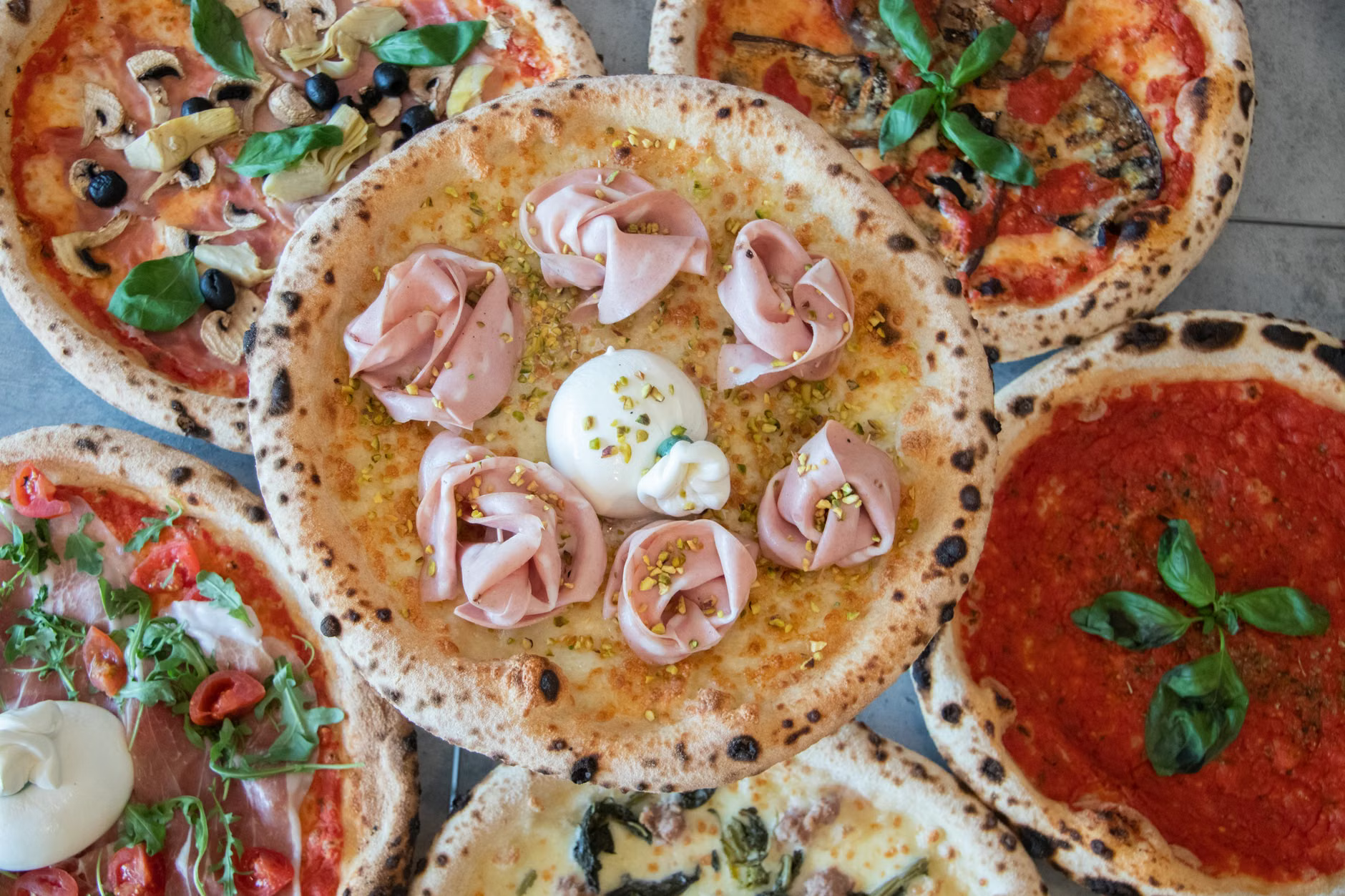
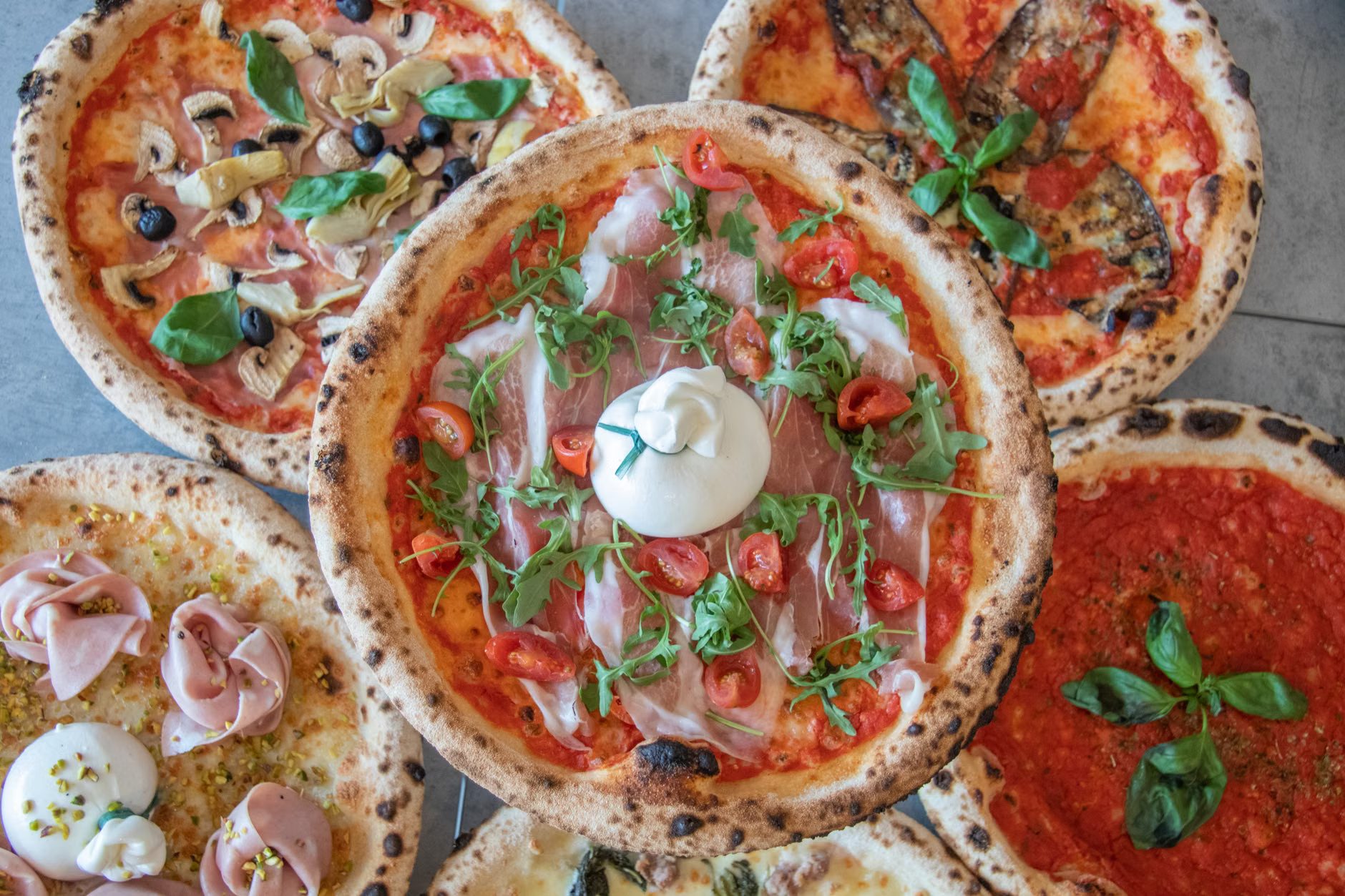
Now that you understand the rules, let's get to the best part: where to actually eat. I've personally visited every pizzeria on this list multiple times, and I've tasted enough undercooked centers and burnt corniciones to know what separates a great Neapolitan pie from a merely good one. Here are my top five spots in New York City for authentic Neapolitan pizza, ranked for both authenticity and the overall experience.
- Kesté Pizza & Vino (77 Fulton St, Financial District) – This is the gold standard for VPN-certified Neapolitan pizza in Manhattan. Their classic Margherita ($16) is a masterclass in balance: the sauce is bright and tangy, the cheese is creamy without being greasy, and the crust puffs up into a dramatic ring of airy dough with perfect leopard spotting. The dining room is small and often packed, but the energy is electric. Pair your pizza with a glass of Gragnano—a slightly fizzy red wine from Campania that cuts through the richness.
- Don Antonio (309 W 50th St, Midtown West) – This is your spot if you want tradition with a twist. Don Antonio is VPN-certified but also known for its Montanara—a Neapolitan pizza where the crust is briefly fried before going into the wood-fired oven. The result is a shatteringly crispy exterior with the same soft, chewy interior. Try the vodka sauce pie ($18), which adds a creamy finish to the classic tomato-basil profile. The location is perfect for a pre-theater dinner.
- L'Industrie Pizzeria (254 S 2nd St, Williamsburg) – Not VPN-certified, but L'Industrie has arguably the most devoted following of any Neapolitan pizza in Brooklyn. People line up daily for their signature Burrata pie ($19), where a whole ball of burrata is placed in the center and melts into the sauce as the pizza bakes. The crust is lighter than a traditional Neapolitan—almost ethereal—and the toppings are modern and bold. The soppressata and honey pie ($21) is a sweet-savory masterpiece.
- Ribalta (48 E 12th St, Greenwich Village) – Another VPN-certified gem, Ribalta is a no-frills institution that focuses on the fundamentals. Their Margherita ($15) is a textbook example of the style: a thin, almost fluid center with a puffy, charred cornicione. The room is casual and BYOB, so bring a bottle of Chianti and enjoy one of the most affordable authentic Neapolitan experiences in the city. The service is straightforward, but the pizza speaks for itself.
- Casa della Mozzarella (139 E 8th St, East Village) – This is the wild card on the list. Casa della Mozzarella is primarily a cheese shop and deli, but they also serve a classic Neapolitan slice for under $5. It's not VPN-certified, and the crust won't win any beauty contests, but the sheer value and quality of ingredients—especially the fresh mozzarella—make it a must-visit for budget-conscious purists. Grab a slice to go and eat it standing on the sidewalk like a true New Yorker.
What Makes a Perfect Neapolitan Pie?
After eating my way through dozens of Neapolitan pizzas across the city, I've developed a clear sense of what separates a good pie from a transcendent one. Let's break down the anatomy of perfection.
The crust is everything. A true Neapolitan crust should be soft, chewy, and slightly charred from the wood-fired oven. The cornicione—the puffy outer rim—should rise to about 1 inch to 1.5 inches in height and be hollow inside, like a perfectly proofed bread roll. The bottom should be thin and crisp enough to hold together for the first few bites, but not so sturdy that it feels like flatbread. The leopard spotting—those irregular dark blisters on the crust—is a sign of proper oven temperature and dough fermentation. If the crust is uniformly pale or uniformly dark, the pizzaiolo didn't control the heat properly.
Toppings should be minimalist and high-quality. The classic Margherita uses only DOP San Marzano tomatoes (crushed by hand), fresh mozzarella (ideally buffalo mozzarella, but fior di latte is accepted), fresh basil, and a drizzle of extra virgin olive oil. That's it. No pepperoni, no mushrooms, no piles of cheese. The beauty of Neapolitan pizza is that the ingredients are few, so each one must be perfect. The tomatoes should taste sweet and barely acidic, the cheese should be milky and tender, and the basil should be torn—never cut—just before the pizza goes into the oven.
The center of the pizza should be slightly soggy. This is a point of confusion for many first-timers. In Italian, the word for the center of a Neapolitan pizza is 'crunchy'—but ironically, the center is intentionally soft and almost puddly. The thin layer of sauce and cheese should create a delicate, saucy texture that threatens to drip off the slice. This is not a flaw; it's a feature. If the center is completely dry and crisp, you're eating a Roman-style pizza, not a true Neapolitan. The key is to eat the pizza immediately, while it's still hot from the oven, because the center will continue to soften as it cools.
Neapolitan vs. New York Slice: Key Differences
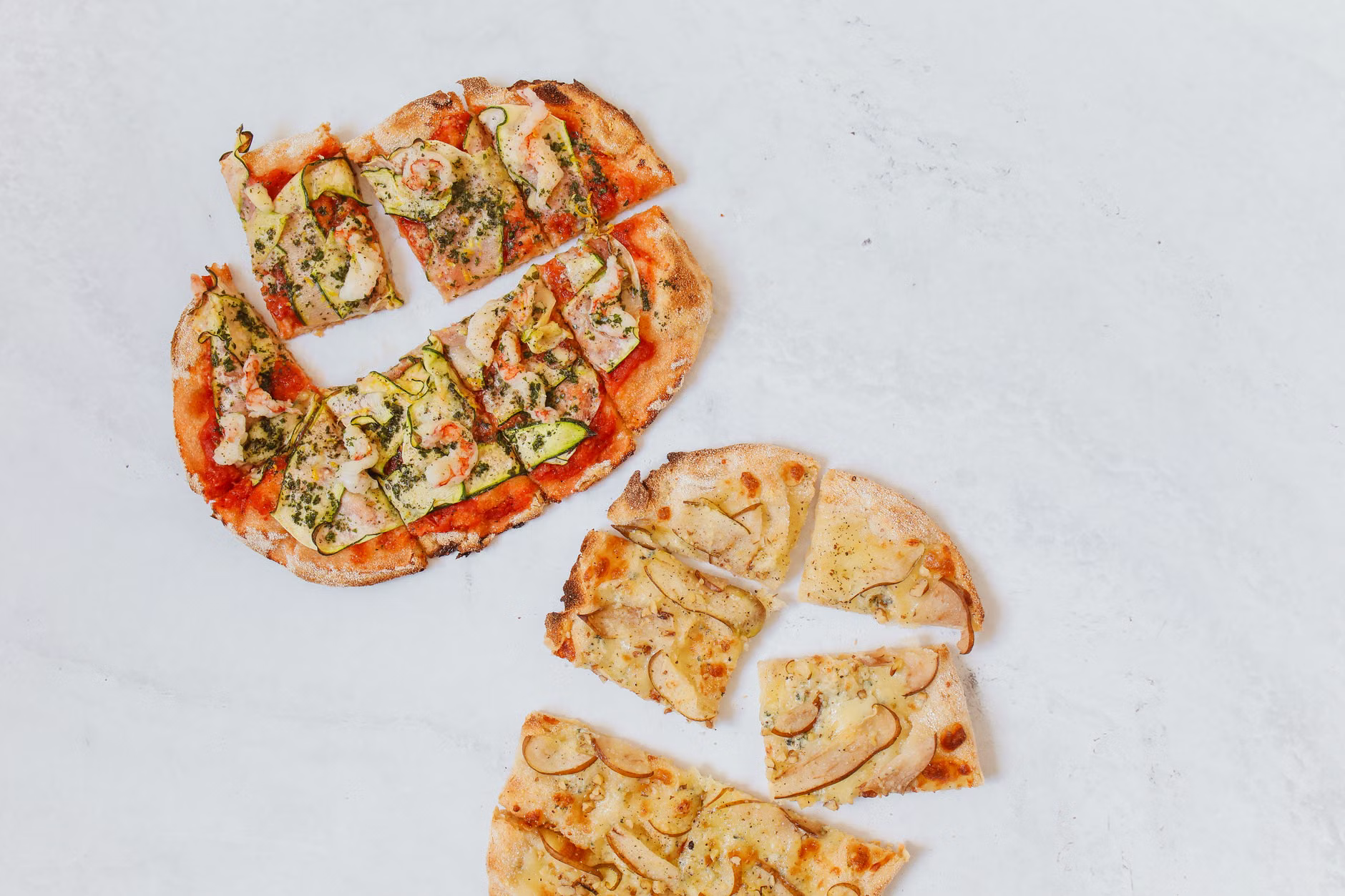
If you're new to Neapolitan pizza, you're probably wondering how it stacks up against New York's iconic slice. The two styles share a common Italian heritage, but they've evolved into fundamentally different experiences. Here's a quick comparison to help you navigate your pizza journey:
- Size and structure: Neapolitan pizza is personal-sized, typically 10 to 12 inches in diameter, and meant to be eaten whole by one person. The crust is soft and airy, with a puffy cornicione that can't support heavy toppings. In contrast, a New York slice is cut from a large 18-inch pie, folded in half for easy eating on the go, and built on a thin, crispy crust that can hold a week's worth of cheese and sauce without collapsing.
- Crust texture: Neapolitan crust is soft, chewy, and bread-like, with a delicate crunch only on the bottom and the leopard-spotted blisters. New York crust is thin and crispy throughout, with a chewy edge that's often compared to a breadstick. The Neapolitan crust is made with low-protein 00 flour and fermented for 24 to 48 hours; the New York crust uses higher-gluten bread flour and is often fermented for a shorter period.
- Toppings philosophy: Neapolitan pizza celebrates sparseness—just a few perfectly chosen ingredients arranged with restraint. New York pizza, especially at classic slice joints, is all about abundance: piles of mozzarella, generous ladles of sauce, and mountains of pepperoni, sausage, mushrooms, peppers, and onions. Where a Neapolitan Margherita might feel almost minimalist, a New York slice is a glorious, messy excess of flavor.
- Cultural role: Neapolitan pizza is an event—a sit-down meal that demands attention and respect. You eat it at a table with a knife and fork (or at least with several napkins). The New York slice is street food, democracy on a paper plate, a quick lunch eaten while walking to the subway. Both are perfect in their own contexts, but they serve very different purposes in a New Yorker's life.
Your Neapolitan Pizza Pilgrimage: Where to Start
Ready to begin your own Neapolitan pizza journey? I've designed a three-stop pilgrimage that will take you from the most authentic VPN experience to the most innovative modern interpretations, giving you a complete picture of what this revolution is all about.
Stop 1: Start at Kesté Pizza & Vino. Before you explore variations, you need to understand the baseline. Head to 77 Fulton Street in Lower Manhattan and order the classic Margherita. Pay attention to the crust—how it puffs, how it chars, how it tastes with nothing but tomato and cheese. This is the blueprint. If you can, go on a weekday afternoon when the line is shorter and you can watch the pizzaiolos work in the open kitchen. It's a religious experience, and it will recalibrate your expectations for every pizza you eat afterward.
Stop 2: Then head to L'Industrie in Williamsburg. Now that you know what traditional Neapolitan tastes like, you're ready to see how the style can evolve. Go to 254 South 2nd Street in Brooklyn and order the Burrata pie. Notice how the crust is slightly lighter and airier than Kesté's, and how the toppings are more inventive. L'Industrie isn't VPN-certified, but that freedom allows them to experiment with soppressata, honey, and burrata in ways that would make a traditional Italian pizzaiolo gasp—and then ask for seconds. The line will be long, but the community feel of the waiting crowd (fueled by natural wine and good vibes) is part of the experience.
Stop 3: Finally, compare at Ribalta. End your pilgrimage at 48 East 12th Street in Greenwich Village, where Ribalta offers another VPN-certified Margherita. Compare it side-by-side with Kesté's. Notice the subtle differences in char level, sauce acidity, and cheese distribution. Does one feel more authentic than the other? Does the BYOB atmosphere at Ribalta change how you perceive the pizza? This final stop will teach you that even within the strict VPN framework, there's room for personality and interpretation. The key is consistency and integrity—and both Kesté and Ribalta deliver in spades.
Your Slice of History Awaits
The Neapolitan pizza revolution in New York City isn't just a culinary trend; it's a movement rooted in craftsmanship, tradition, and a relentless pursuit of perfection. Whether you're a lifelong New Yorker who has only ever folded dollar slices or a visitor who wants to taste the city's most authentic Italian imports, these pizzerias offer something rare in a city that never stops innovating: a direct link to the Old World, baked at 900 degrees in 90 seconds. The lines are long, the prices are higher than a standard slice, and the etiquette takes some getting used to—but the reward is nothing less than a perfect bite of edible history. So stop reading, start planning, and visit one of these pizzerias today. Your slice of history awaits!